Views: 0 Author: Site Editor Publish Time: 2026-10-27 Origin: Site


Struggling with dust and material loss during bulk feed handling? Vital wheat gluten pellets offer a practical alternative to fine powders. Their compact form can improve flow, storage, and transportation efficiency. This article explores how they simplify handling and support reliable feed production.
Vital wheat gluten pellets improve bulk handling by changing how the ingredient moves through industrial equipment. Compared with loose powder, intact pellets may generate less airborne dust and reduce material accumulation around transfer points. Their more defined particle shape can also support predictable discharge from suitable storage and conveying systems.
These advantages depend on pellet durability, moisture conditions, and equipment compatibility.
Warehouse teams should inspect stored materials regularly. Visible clumping, damaged packaging, unusual odors, or excessive fines deserve attention. Suspect material should be held for quality assessment rather than automatically introduced into production.
Good moisture management protects ingredient quality and supports more reliable handling during later manufacturing stages.
Effective storage begins when the shipment arrives. Warehouse personnel should inspect packaging condition, product identification, and supporting delivery documents. Damaged bags can expose pellets to moisture or contamination during handling. Early inspection helps identify these problems before material enters general inventory.
Stock rotation is another important practice. Feed manufacturers should follow an appropriate first-expired, first-out system when managing ingredients with defined shelf lives. This helps ensure materials are used within approved periods. Batch identification also supports traceability if quality concerns arise.
Storage arrangements should protect packaging from excessive pressure and mechanical damage. Bags should be stacked according to their approved load limits and handling requirements. Uneven stacking can create instability and increase the risk of packaging failure.
Operators should also monitor the physical condition of pellets during storage. Excessive fines may indicate damage during transportation or warehouse movement. Changes in material flow can suggest moisture exposure, consolidation, or particle breakage. These findings should be investigated before routine production use.
When storing different materials in shared equipment, facilities must address contamination risks. Cleaning and segregation procedures should follow the applicable feed safety program. This is especially important when ingredients differ in composition or regulatory requirements.
Routine inspection, stock rotation, and traceability support consistent material quality. They also help manufacturers identify problems before those problems interrupt processing operations.
Tip: Record moisture, packaging condition, and fines content at receiving and during extended storage.
Transportation exposes feed ingredients to vibration, handling pressure, and repeated movement. Pelletized gluten may offer advantages over powder during certain shipment operations. However, the benefits depend on packaging quality, pellet durability, and loading procedures.
Bulk transportation requires ingredients to remain protected throughout loading, shipment, and unloading. Vital wheat gluten pellets are supplied as compact particles that can be handled using suitable industrial packaging. Their physical form may reduce dust release during certain transfer operations. This can be useful when large quantities move between warehouses, containers, and production facilities.
Pellet durability remains an important factor during transportation. Road vibration, container movement, and mechanical handling can damage fragile particles. Repeated impacts may create fines that accumulate inside packaging. These changes can reduce the expected handling advantages of pelletized material.
Shipping performance also depends on packaging construction. Industrial bulk bags must suit the intended lifting equipment and permitted load. Moisture protection is important because extended transportation may involve changing environmental conditions. Buyers should also consider container cleanliness and protection against contamination.
The loading arrangement affects shipment capacity and handling procedures. Palletized shipments may simplify certain warehouse operations but occupy additional space. Non-palletized loading can provide different container utilization, although unloading arrangements must be considered.
Feed ingredient buyers should compare transportation options using total landed cost and operational requirements. Packaging expense, shipment capacity, material condition, and unloading efficiency all matter.
Pellets can be practical for large shipments when the transport system protects their integrity. Buyers should verify actual shipment performance rather than assume pelletization prevents every transportation problem.
Pellet durability describes how well particles resist damage during handling and transportation. It is an important quality consideration for high-volume shipments. Stronger pellets may retain their original shape during repeated movement. Fragile pellets can break into smaller fragments and generate excessive fines.
Transportation creates several opportunities for particle damage. Material may fall during loading, experience vibration during shipment, or face mechanical pressure during unloading. Each stage can contribute to abrasion. When breakage becomes excessive, the shipment may contain a mixture of pellets and fine powder.
This change can affect subsequent handling operations. Increased fines may generate more dust during unloading. They can also influence material flow and residue accumulation inside storage equipment. Consequently, pellet durability matters beyond the visual appearance of the delivered product.
Buyers should ask suppliers whether they measure pellet durability or fines content. Relevant tests should use clearly defined procedures. For critical applications, manufacturers can compare particle condition before and after simulated transportation.
Receiving inspections provide additional information. Workers can collect representative samples and evaluate visible damage. A consistent sampling method makes comparisons between shipments more reliable.
The objective is to maintain acceptable physical quality throughout the supply chain. Durable pellets may reduce certain handling losses, but the extent of improvement depends on the actual transportation conditions.
Packaging determines how effectively vital wheat gluten pellets can be protected and moved during transportation. Industrial buyers commonly evaluate bulk bags according to shipment quantity, lifting equipment, and warehouse requirements. The selected format should preserve product quality while supporting efficient loading and unloading.
The XINRUI VWG-PS listing specifies a net weight of one ton per bag. It also publishes different container loading quantities for palletized and non-palletized shipments. For example, the supplier lists 22 metric tons in a 20-foot general-purpose container without pallets. Buyers must confirm current container limits, applicable weight regulations, and actual loading plans.
Bulk bags require appropriate lifting arrangements and load ratings. Operators should check bag integrity before moving materials. Damaged lifting loops or weak seams can create serious handling hazards. Packaging must also protect the contents against moisture and contamination.
Some buyers may need smaller bags or customized packaging. These options depend on supplier availability and commercial arrangements. Packaging selection should reflect receiving equipment, storage space, and production consumption rates.
Transportation planning should include the complete handling process. A convenient shipping format may create difficulties if the receiving factory lacks suitable lifting equipment. Buyers should therefore review unloading procedures before approving packaging specifications.
Well-matched packaging supports material protection and operational efficiency. It also helps reduce avoidable delays when shipments arrive at industrial facilities.
Tip: Container loading quantities are supplier-specific and depend on packaging, weight limits, and shipment configuration.
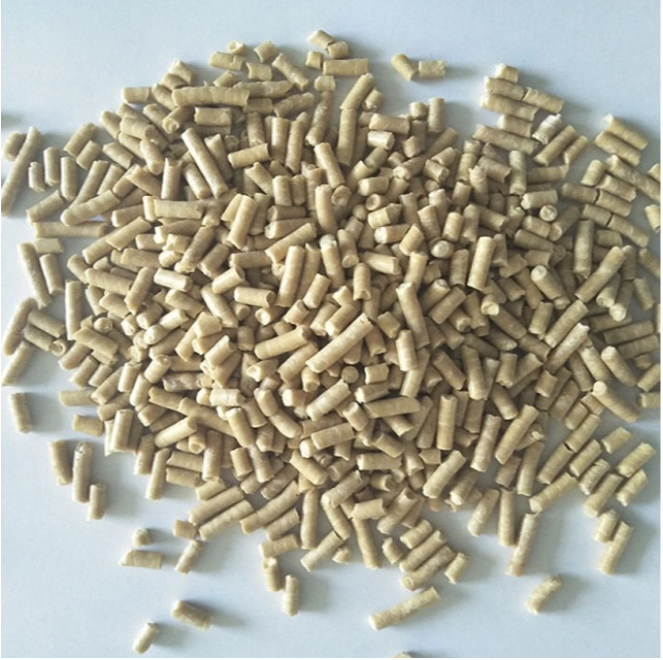
The difference between vital wheat gluten pellets and powder is primarily physical. Both forms can provide concentrated wheat protein, but they behave differently during handling. Buyers should compare dust generation, material flow, and processing compatibility before selecting a product.
Particle size strongly influences dust generation during ingredient handling. Fine powders contain small particles that can become airborne when disturbed. Pouring, conveying, and equipment vibration may release these particles into the surrounding environment. This can increase housekeeping demands and require effective dust extraction.
Vital wheat gluten pellets consist of larger particles. When they remain intact, they are generally less likely to become airborne during ordinary transfer operations. Their physical form may therefore reduce certain sources of dust compared with loose powder. This potential advantage matters when ingredients move through loading stations or open transfer points.
However, pellet handling can generate fines through mechanical abrasion. These particles may collect inside bags and conveying equipment. After repeated transfers, the material may contain enough fines to create noticeable dust during unloading.
Both forms require suitable workplace controls. Wheat-derived dust must be evaluated for combustible-dust hazards. Worker exposure and contamination risks should also be addressed through appropriate procedures.
Manufacturers should compare dust generation under realistic conditions. A controlled trial could use the same transfer equipment and handling quantities. The test should record airborne dust exposure and collected fines using appropriate measurement methods.
Such comparisons provide more reliable evidence than general product descriptions. Pellets may offer cleaner handling, but actual improvements depend on the condition of the delivered material.
Pellets and powders behave differently inside hoppers, feeders, and conveying systems. Their particle characteristics influence friction, cohesion, and discharge behavior. Fine wheat gluten powder may experience cohesive flow under certain moisture or consolidation conditions. This can increase the risk of bridging or irregular movement through poorly designed outlets.
Intact pellets may flow more freely through compatible equipment. Their larger particles can reduce some cohesive interactions associated with fine powders. However, the same particle size can create mechanical restrictions in narrow passages. Pellet flow is therefore not automatically superior in every handling system.
Equipment design should guide ingredient selection. A feeder designed for powder may require modification before accepting larger pellets. Conversely, equipment handling pellets may not provide accurate feeding when switched to fine powder.
Manufacturers should consider hopper geometry, outlet diameter, conveyor type, and required feeding rate. Bulk density differences may also affect storage capacity and volumetric dosing. These factors can influence overall production performance.
A practical comparison should measure discharge consistency, equipment interruptions, and ingredient damage. Operators should also inspect residual material remaining after discharge.
Both forms can perform reliably when matched to suitable equipment. The preferred option depends on the existing system and the processing objectives. Buyers should verify compatibility before making large purchasing commitments.
Manufacturers should consider pelletized vital wheat gluten when bulk handling performance is a major purchasing priority. Potential advantages include reduced airborne dust, manageable bulk transfer, and convenient industrial packaging. These characteristics may benefit feed mills handling substantial ingredient quantities.
Powdered gluten remains appropriate for many applications. Some production systems require direct incorporation of fine particles into a mixing process. Others rely on rapid dispersion or equipment specifically designed for powder handling. Changing to pellets may create additional preparation requirements in these cases.
For example, a feed manufacturer using a grinding stage may find pelletized gluten suitable. The pellets can enter the production process after appropriate size reduction. Another facility may prefer powder because its formulation requires direct mixing without additional grinding.
The final choice should consider both upstream handling and downstream processing. An ingredient that simplifies warehouse operations may increase energy consumption or equipment demands later in production.
Manufacturers should therefore calculate the full operational impact. They need to compare dust management, material transfer, feeding accuracy, processing requirements, and ingredient condition.
Small-scale testing can identify potential problems before commercial adoption. Buyers should request representative samples and evaluate them using actual equipment.
The best ingredient form is the one that meets production needs while maintaining reliable quality and acceptable total operating costs.
Factor | Vital Wheat Gluten Pellets | Vital Wheat Gluten Powder |
|---|---|---|
Dust generation | Potentially lower when intact | Greater airborne dust potential |
Material flow | Depends on pellet size and durability | Depends on powder cohesion and moisture |
Storage | Requires suitable discharge equipment | May require powder flow controls |
Transportation | Breakage can generate fines | Containment is especially important |
Equipment compatibility | Requires pellet-compatible systems | Requires powder-compatible systems |
Processing | May need size reduction | Suitable for direct powder feeding |
Tip: Compare both forms through the same production trial before changing ingredient specifications.
Proper operating procedures help preserve pellet quality throughout feed production. The handling system should move material at the required rate without causing excessive breakage. Equipment selection, preventive maintenance, and workplace safety controls all contribute to consistent results.
Selecting equipment for wheat gluten pellets requires an understanding of material characteristics and production requirements. Feed factories may use bulk-bag discharge stations, hoppers, screw conveyors, belt conveyors, or bucket elevators. Each system has different operating limits and handling characteristics. The appropriate choice depends on pellet size, required throughput, transfer distance, and available space.
Bulk-bag discharge stations should provide stable support during unloading. Their outlets must allow material to move without excessive restriction. Hoppers should also accommodate the selected pellet dimensions and expected flow behavior. Insufficient outlet clearance may cause interruptions during discharge.
Conveyor selection requires similar attention. Screw conveyors can provide controlled transfer but may create mechanical abrasion under unsuitable conditions. Belt conveyors can support gentler movement in some applications. Bucket elevators may be useful for vertical transport when designed correctly.
Engineers should examine transfer points because sudden impacts can damage pellets. Excessive drop heights and repeated changes in direction may increase fines generation. Appropriate equipment adjustments can help preserve material condition.
Manufacturers should request representative samples before selecting or modifying equipment. Practical tests can reveal discharge problems and unexpected particle damage.
The ideal system balances capacity, material protection, and maintenance requirements. Equipment compatibility matters more than choosing a particular conveyor type based on general recommendations.
Pellet breakage occurs when material experiences excessive mechanical stress. Common causes include repeated impacts, high conveying speeds, and unsuitable equipment clearances. Poor handling procedures may also increase damage during unloading and warehouse movement.
Operators can reduce these risks by controlling material transfer conditions. Conveyor speeds should remain within suitable operating ranges. Transfer points should avoid unnecessary drop heights and sharp impact surfaces. Equipment components should also be inspected for damage or excessive wear.
Repeated handling deserves attention because each transfer creates another opportunity for abrasion. Manufacturers should avoid unnecessary movement between temporary storage locations. A well-planned material route can reduce handling stages.
Pellet quality influences the outcome as well. Some grades withstand mechanical stress better than others. Buyers should therefore consider pellet durability when comparing suppliers.
A useful monitoring method involves measuring fines content at different points. Operators can compare samples collected before and after conveying. Increasing fines may indicate equipment problems or insufficient pellet strength.
Maintenance teams should investigate unusual noise, inconsistent discharge, or visible material damage. These signs may reveal mechanical conditions requiring correction.
Reducing breakage helps preserve the benefits associated with pelletized ingredients. It may also limit additional dust generation and cleaning requirements. Consistent handling procedures support predictable production and material quality.
Workplace safety remains essential when handling vital wheat gluten pellets. Their larger particle size may reduce some airborne dust during normal operations. However, mechanical abrasion can still create fine wheat-derived particles. These particles require appropriate exposure and combustible-dust controls.
Facilities should assess dust hazards throughout loading, conveying, storage, and cleaning operations. Relevant controls may include enclosed transfer points and suitable dust collection systems. Equipment should also be evaluated for potential ignition sources where combustible dust can accumulate.
Housekeeping procedures must prevent excessive dust deposits. Workers should use cleaning methods appropriate for the facility's hazard assessment. Compressed-air cleaning can disperse dust and should not be used without suitable controls.
Wheat protein can also create occupational allergen exposure concerns. Facilities should consider relevant worker protection measures and applicable safety requirements. Appropriate training helps personnel recognize handling risks and follow established procedures.
Bulk-bag handling introduces additional hazards. Operators must use lifting equipment compatible with the bag's rated capacity. Suspended loads require controlled movement and appropriate exclusion zones.
Manufacturers should document operating procedures and inspect equipment regularly. Safety reviews should consider changes in ingredient form, transfer methods, and production capacity.
Pelletization can support cleaner handling under suitable conditions. Nevertheless, it cannot replace effective workplace safety management. Facilities should assess their specific hazards and apply the necessary protective measures.
Tip: Pelletized wheat gluten may still generate combustible fines. Dust hazard assessments remain necessary.
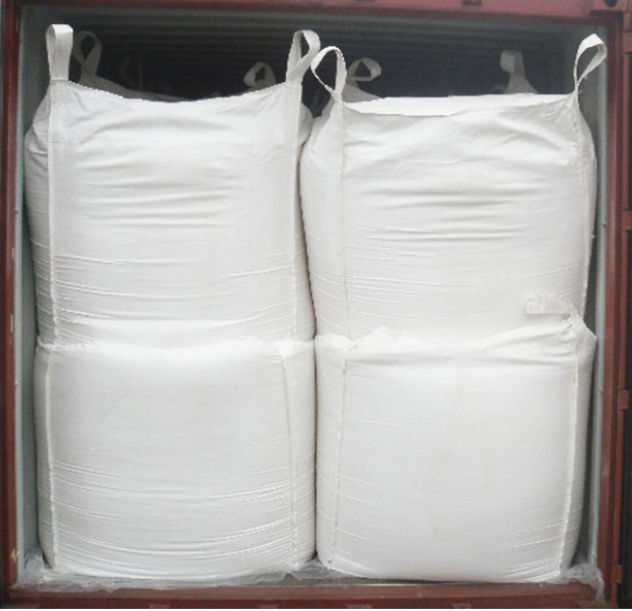
Bulk buyers should evaluate physical quality and handling performance before purchasing vital wheat gluten pellets. Protein concentration is important, but it does not establish whether the ingredient will move efficiently through industrial equipment.
A reliable purchasing process should include product specifications, supplier verification, and representative handling trials.
Pellet quality specifications provide a starting point for evaluating material suitability. Buyers should consider particle dimensions, moisture content, pellet durability, bulk density, and fines percentage. These characteristics influence how ingredients behave during storage, transportation, and feeding.
Protein concentration remains important for feed formulation. However, it does not directly measure handling performance. A high-protein product may still generate excessive fines or flow poorly through unsuitable equipment.
XINRUI's VWG-PS product page lists at least 82% protein on a dry basis. It also specifies moisture at no more than 8%. The listed particle dimensions are approximately 1 cm in length and 0.3 cm in diameter. These figures represent published product specifications and should be verified against current technical documentation.
Buyers should request additional physical data when handling performance is critical. Pellet durability and fines percentage are particularly useful indicators. Bulk density can help engineers estimate storage requirements and feeding behavior.
Testing methods should be clearly defined. Different methods may produce results that are not directly comparable. Buyers should therefore establish agreed procedures before evaluating supplier quotations.
The most useful specifications are those linked to actual manufacturing requirements. They help purchasing teams identify suitable products and reduce uncertainty during commercial operations.
Supplier evaluation should cover both product quality and commercial reliability. Feed manufacturers need consistent deliveries that match approved specifications. They also require appropriate documentation and dependable communication when problems arise.
The evaluation process should begin with manufacturer information and product availability. Buyers can review production arrangements, available grades, packaging options, and reported capacity. However, important claims should be verified before placing substantial orders.
Quality assurance procedures deserve particular attention. Suppliers should provide current technical specifications and relevant Certificates of Analysis. Buyers may also request information about raw material controls, batch traceability, and feed safety management.
Physical consistency matters because pellet dimensions and durability can affect equipment performance. Buyers should establish acceptable tolerances for the properties influencing their operations.
XINRUI presents several wheat and soy protein ingredients through its official product range. Buyers can review its product categories before requesting samples and detailed technical information. Product availability and commercial conditions should be confirmed directly.
Technical support can also influence purchasing decisions. Suppliers should respond clearly to questions about pellet specifications, packaging, storage, and handling requirements.
For recurring orders, delivery reliability becomes increasingly important. Buyers should review lead times, communication practices, and procedures for addressing specification deviations.
A strong supplier relationship depends on verified product performance and consistent service. Both factors help manufacturers maintain dependable ingredient supply.
Representative testing is the most reliable way to assess handling suitability before a large purchasing commitment. Suppliers can provide specifications, but actual equipment may produce different results. Buyers should therefore evaluate the ingredient under conditions resembling routine production.
Initial testing should examine particle size, moisture, bulk density, and visible fines. These measurements help establish the delivered material's physical characteristics. Buyers may also perform pellet durability testing when transportation or conveying damage is a concern.
The next stage should evaluate material flow. Samples can be introduced into the intended hopper or feeder. Operators should observe discharge consistency, restricted flow, and equipment interruptions.
Conveying trials provide additional information. Manufacturers can measure the quantity of fines before and after transfer. They can also inspect equipment for material accumulation or unexpected damage.
Storage suitability should be assessed when shipments will remain in warehouses for extended periods. Packaging integrity and moisture protection are important considerations.
Finally, purchasing teams should compare the results against established acceptance criteria. Any proposed specification should reflect actual production needs.
A documented testing process makes future supplier comparisons easier. It also provides a basis for investigating performance changes between deliveries.
Evaluation area | Key factors to check | Expected purchasing value |
|---|---|---|
Dust control | Fines content and dust generation | Cleaner, controlled transfers |
Material flow | Pellet size, bulk density, discharge behavior | Predictable material movement |
Equipment compatibility | Hopper outlets, conveyors, feeders | Fewer handling interruptions |
Pellet durability | Resistance to impact and abrasion | Reduced breakage |
Storage | Moisture control and packaging integrity | Consistent stored-material quality |
Transportation | Packaging and shipment condition | Reliable bulk delivery |
Supplier quality | Specifications and batch documentation | Repeatable purchasing standards |
Trial performance | Actual production test results | Lower purchasing uncertainty |
Tip: Approve vital wheat gluten pellets using documented handling trials, not protein specifications alone.
Vital wheat gluten pellets improve bulk handling by reducing dust, supporting smoother material flow, and simplifying transportation. Their compact form can also reduce material loss and improve storage efficiency.
Proper equipment, moisture control, and pellet durability remain essential for reliable performance.
XINRUI offers VWG-PS Wheat Gluten Pellets for industrial feed applications. Its high-protein products and bulk supply services help manufacturers improve handling efficiency and maintain consistent production quality.
A: They are pelletized wheat protein ingredients designed for easier bulk handling.
A: Intact pellets release fewer airborne particles than fine powder.
A: Wheat gluten pellets may improve flow, reduce dust, and simplify transportation.
A: Keep them dry, sealed, and protected from moisture.
A: They may reduce cleaning needs and material losses.
A: Use gentle conveying, suitable equipment, and proper packaging.

 English
 简体中文