Views: 0 Author: Site Editor Publish Time: 2026-10-26 Origin: Site


Soy protein concentrate is a practical ingredient for large-scale food production. Bulk buyers value its protein content, functional performance, and versatility across different formulations. However, the right purchasing decision involves more than ingredient pricing. Manufacturers must also consider processing efficiency, product consistency, food safety, and reliable supply.
Bulk buyers choose soy protein concentrate because it performs several important functions in food manufacturing. It can improve moisture retention, support emulsification, strengthen texture, and contribute plant-based protein. These benefits make it especially relevant to meat processors and manufacturers producing high volumes of finished products.
For industrial buyers, the main advantage is not simply purchasing protein in larger quantities. It is finding an ingredient that performs consistently, supports production requirements, and delivers measurable value throughout manufacturing.
Food manufacturers rarely judge an ingredient by its purchase price alone. They also consider how much material the formulation requires and how that material performs during processing. Soy protein concentrate offers potential savings because its functional properties can serve several purposes. It contributes protein, binds moisture, and supports product structure. In suitable formulations, these functions may reduce reliance on other ingredients or improve manufacturing yields.
Consider a meat processor producing several tons of sausage daily. A suitable soy protein concentrate may help maintain moisture and improve binding during mixing and cooking. Better moisture retention can increase finished-product yield when the formulation and processing conditions support it. Even modest improvements can become financially significant across large production volumes. However, excessive addition can affect texture, flavor, or product identity.
Purchasing teams should therefore compare ingredient costs against finished-product performance. They need to assess recommended dosage, processing losses, sensory quality, and actual production yield. A cheaper protein ingredient may require higher inclusion levels or additional formulation adjustments. Those changes can eliminate its apparent price advantage.
For manufacturers exploring different protein solutions, the XINRUI product range includes several plant-based protein ingredients for different processing requirements. Comparing these options helps buyers identify suitable formulations without assuming every protein grade performs identically.
The strongest purchasing decisions come from controlled trials and reliable cost calculations. Buyers should evaluate what the ingredient delivers in the final product, rather than focusing only on its initial purchase price.
Large food factories rely on repeatable production conditions. Their equipment, recipes, and processing schedules are designed around predictable ingredient performance. If a protein ingredient changes between deliveries, manufacturers may need to adjust their formulations. Those adjustments can increase waste, delay production, and create quality differences between finished batches.
Soy protein concentrate typically contains around 65–70% protein or more, depending on its commercial grade and specification basis. However, protein content represents only one element of quality. Moisture, particle size, solubility, hydration behavior, and functional characteristics can also influence manufacturing results. Two products containing similar protein levels may perform differently during mixing, heating, or emulsification.
For example, variations in particle size can affect powder dispersion and hydration speed. Differences in functional performance may influence the texture of cooked meat products. Unexpected changes can become particularly troublesome when factories operate continuous production lines.
Bulk buyers should establish clear technical specifications before approving a supplier. These specifications should identify acceptable ranges for relevant physical, chemical, and microbiological properties. They should also include application-specific functional requirements when necessary.
Certificates of Analysis help confirm whether individual batches meet agreed standards. Periodic sample testing provides additional evidence of processing consistency. Buyers can also retain approved reference samples for comparison.
Reliable quality allows food manufacturers to maintain established production settings. It reduces unnecessary formulation changes and supports a more predictable finished product.
Water and oil retention are important functional characteristics of soy protein concentrate. They influence how ingredients behave during mixing, heating, and storage. These properties are particularly valuable in processed meat products, where moisture and fat distribution affect texture and eating quality.
When proteins hydrate correctly, they can bind or retain water within the food matrix. This helps support a consistent structure during subsequent processing. Certain grades also contribute to oil retention, helping manage fat distribution throughout the formulation. The combined effect can support product uniformity and desirable sensory characteristics.
Imagine a sausage manufacturer experiencing excessive cooking losses. Moisture and fat may separate during heating, reducing yield and affecting product appearance. A properly selected protein ingredient may improve binding and help reduce these losses. However, its effectiveness depends on protein functionality, inclusion level, salt concentration, mixing conditions, and heat treatment.
Manufacturers should not assume higher water absorption always means better performance. Excessive hydration can create softness, processing difficulties, or an undesirable mouthfeel. Similarly, inappropriate fat-binding characteristics may negatively affect the finished product.
A practical evaluation should measure hydration behavior, cooking loss, product firmness, and moisture retention. Testing should take place under actual production conditions whenever possible. This provides more reliable information than comparing laboratory values alone.
For bulk buyers, functional performance matters because it affects both manufacturing efficiency and customer satisfaction. A consistent ingredient can help maintain texture and product quality across repeated production runs.
Emulsification and gel formation influence the structure of many manufactured foods. Both properties are important when selecting soy protein concentrate for processed meat and certain plant-based formulations. They determine how ingredients interact during mixing and how the finished product behaves after heating.
Emulsification helps disperse fat within a water-based food system. Proteins can contribute to stabilizing this distribution, reducing unwanted separation during processing. In products such as emulsified sausages, consistent fat distribution supports a uniform appearance and texture. Poor stability may cause visible fat separation, uneven structure, or reduced product quality.
Gel formation serves a different but related purpose. During suitable processing conditions, proteins can form networks that contribute to firmness and structural integrity. These networks may help retain moisture and hold ingredients together. Their effectiveness depends on protein composition, temperature, pH, salt levels, and other formulation components.
Food manufacturers must therefore match the protein ingredient to their actual processing method. A formulation requiring strong gel formation may not benefit equally from every soy protein concentrate grade. Suppliers should provide relevant functional data whenever available.
For example, a processor developing a firm, sliceable sausage should evaluate both emulsion stability and cooked texture. A plant-based filling may require a different balance between hydration, binding, and softness.
The most useful supplier information comes from application testing rather than broad performance claims. Buyers should request technical guidance and test results that reflect their intended products. This helps them select ingredients based on measurable manufacturing needs.
One reason bulk buyers prefer soy protein concentrate is its flexibility across different food categories. Manufacturers use functional soy proteins in processed meat, vegetarian products, and selected bakery applications. This versatility can make ingredient planning easier for companies managing several production lines.
In meat products, soy protein concentrate can support moisture retention, emulsification, and structure. These properties may improve processing consistency when the ingredient is selected and used correctly. In plant-based foods, it contributes protein and can help bind other formulation components. Certain bakery applications may benefit from its protein contribution or water-binding properties.
However, each product category requires a different functional balance. A sausage formulation may emphasize emulsification and thermal stability. A vegetarian filling may prioritize hydration and cohesive texture. Bakery manufacturers must also consider flavor, dough behavior, and the impact on finished-product appearance.
These differences explain why one grade should not automatically replace another. Buyers need to understand whether the selected material matches their equipment and intended formulation.
Manufacturers handling several product categories may benefit from reviewing the available soy protein concentrate product category. It provides a starting point for discussing suitable ingredient options and potential applications.
A consolidated ingredient purchasing strategy can simplify supplier communication and documentation. Nevertheless, application testing remains essential. The most effective approach combines purchasing efficiency and precise product selection.
Food safety and sourcing documentation influence ingredient purchasing decisions across international markets. Buyers must satisfy regulatory requirements, customer expectations, and their own internal quality systems. These considerations become more important when ingredients enter multiple manufacturing facilities or export markets.
Non-GMO soy protein concentrate may be relevant when manufacturers serve customers requiring documented non-GMO sourcing. However, a supplier's claim alone may not satisfy every customer's requirements. Buyers should request supporting documentation and clarify the applicable verification or certification scheme. Requirements can differ between markets and commercial agreements.
Soy is also a recognized food allergen in major markets. Manufacturers must assess its use under applicable allergen-control and labeling requirements. Clear ingredient declarations and procedures preventing unintended cross-contact are important components of food safety management.
Additional documentation may include product specifications, Certificates of Analysis, traceability records, and microbiological testing reports. Some customers also require Halal or Kosher certification. Buyers should confirm that any certification applies to the relevant product and manufacturing facility.
Food safety management certifications can demonstrate elements of supplier oversight. However, they do not replace product-level testing or incoming material inspection. Each shipment must still satisfy the agreed purchasing specification.
Bulk buyers should establish document requirements before placing orders. This prevents delays caused by missing records during customs clearance, customer approval, or factory receiving procedures.
A well-documented ingredient helps manufacturers maintain compliance and supports more reliable long-term procurement relationships.
Reliable availability is another important reason buyers establish long-term relationships with soy protein concentrate suppliers. Large food manufacturers often operate according to fixed production schedules. Ingredient shortages can interrupt these schedules and increase operational costs.
A supplier must therefore offer more than a suitable product specification. Buyers also need realistic production capacity, reliable lead times, consistent packaging, and effective communication. These factors influence how manufacturers manage inventory and schedule future deliveries.
For example, a processor using several tons of soy protein concentrate each month cannot depend entirely on occasional spot purchases. Unexpected shipping delays may force the factory to reduce production or use an unapproved substitute. Such substitutions can introduce additional testing and quality risks.
Manufacturers should discuss minimum order quantities, expected monthly demand, and delivery frequency early in the purchasing process. They should also confirm whether the supplier maintains inventory or manufactures against confirmed orders. These arrangements affect planning flexibility.
International buyers need to consider shipping schedules, customs documentation, and transportation conditions. Packaging must protect the product against moisture and contamination during handling.
Supplier performance should be measured over time. Useful indicators include on-time delivery rates, specification compliance, response speed, and the handling of quality complaints.
Reliable supply does not eliminate every purchasing risk. However, clear agreements and consistent communication can reduce uncertainty. For bulk buyers, this stability is often as important as the ingredient's functional properties.
Tip: Compare supplier quotations using verified functional performance, batch consistency, and landed cost rather than unit price alone.
Buyers commonly compare soy protein concentrate against soy protein isolate and soy flour. All three originate from soybeans, but their composition and functional behavior differ. The correct choice depends on the finished product, processing conditions, and required protein concentration.
Soy protein concentrate and soy protein isolate differ mainly in their protein concentration and processing characteristics. Soy protein concentrate generally contains approximately 65–70% protein on a dry basis. Soy protein isolate usually contains at least 90% protein on a dry basis. These differences influence how manufacturers use them in commercial food formulations.
Soy protein isolate undergoes additional processing to remove more non-protein components. Its higher protein concentration can benefit formulations requiring substantial protein enrichment or specialized functional properties. Depending on the grade, it may also provide excellent emulsification, gel formation, or dispersibility.
Soy protein concentrate retains more non-protein material, including certain dietary fiber components. This composition can make it suitable for applications requiring protein enrichment alongside water binding and texture development. It may also offer a purchasing advantage when its performance satisfies formulation requirements.
However, manufacturers should avoid selecting ingredients based exclusively on protein percentage. An isolate may justify its higher price through lower dosage or improved performance. Conversely, a concentrate may deliver sufficient functionality at a lower formulation cost.
Buyers should compare actual processing results rather than assuming the higher-purity ingredient is always superior. Relevant measures include finished-product yield, hydration behavior, texture, flavor, and protein contribution.
For large-volume procurement, these differences can substantially influence manufacturing economics. The preferred option should meet technical requirements without creating unnecessary ingredient or processing costs.
Soy flour and soy protein concentrate serve different purposes in food manufacturing. Defatted soy flour generally contains less protein and more non-protein material than concentrate. Its composition includes carbohydrates, dietary fiber, and other soybean components. These characteristics influence hydration, flavor, and ingredient functionality.
Soy protein concentrate undergoes additional processing that removes a significant portion of soluble carbohydrates. This produces a more concentrated protein ingredient. Certain grades may also offer functional characteristics suited to meat processing and other structured food systems.
Manufacturers often consider soy flour when economical protein enrichment or specific baking properties are required. Soy protein concentrate becomes attractive when a formulation needs higher protein concentration and appropriate binding or emulsification performance.
Consider a processor developing a cooked meat product. Using soy flour instead of concentrate may change the required dosage and alter flavor or texture. The difference may become noticeable during heating or storage. Similar substitutions can affect bakery products by changing water absorption and finished-product structure.
Buyers should compare both ingredients using the same production objectives. Protein content, particle size, sensory characteristics, and hydration behavior all deserve attention. Ingredient pricing alone cannot establish which material provides better value.
The final decision should reflect the intended application. For some products, soy flour may provide adequate performance. Other formulations may benefit from the concentrated protein composition and functional characteristics of soy protein concentrate.
Changing protein ingredients can influence several stages of food manufacturing. A substitution may appear straightforward when two ingredients share similar protein content. However, their functional behavior may differ considerably under actual processing conditions.
Purchasing teams should begin by identifying the reason for the proposed change. Some factories want to reduce ingredient costs. Others need better moisture retention, stronger texture, or more reliable availability. Clear objectives make supplier comparisons more meaningful.
The next step involves testing candidate ingredients under comparable conditions. Manufacturers should measure relevant characteristics such as water absorption, emulsion stability, cooking loss, and finished-product firmness. Sensory evaluation is also important because protein substitutions may influence flavor, color, and mouthfeel.
The comparison should include both ingredient dosage and finished-product yield. A concentrate requiring a higher inclusion rate may not provide the expected savings. Conversely, better retention or reduced processing losses could improve its overall value.
Food manufacturers must also examine allergen labeling, nutritional declarations, and applicable product standards. Ingredient changes can affect compliance, even when production performance remains acceptable.
A controlled trial should use defined acceptance criteria. Buyers can then compare results against their current approved formulation. Once the alternative passes technical and quality evaluation, they can assess its commercial suitability.
Ingredient | Typical protein content, dry basis | Main purchasing consideration |
|---|---|---|
Soy protein concentrate | Approximately 65–70% or higher | Balance of protein concentration and functional performance |
Soy protein isolate | Generally ≥90% | Higher protein purity and grade-specific functionality |
Defatted soy flour | Approximately 50–55% | Economical soy ingredient for suitable formulations |
Values are general industry ranges. Actual grades and analytical specifications may differ.
Tip: Higher protein purity does not automatically produce better processing performance or lower finished-product costs.
The food industry uses soy protein concentrate because its functional properties suit several commercial applications. Demand comes from manufacturers seeking reliable binding, moisture control, protein enrichment, and consistent texture. Processed meat and plant-based products are especially relevant markets.
Processed meat manufacturers often require ingredients that support moisture retention, fat distribution, and consistent structure. Soy protein concentrate can contribute these functions when the selected grade matches production requirements. Applications may include sausages, hotdogs, ham products, and other formulated meats.
During mixing, proteins interact with water, fat, and other ingredients. Proper hydration helps distribute the concentrate throughout the meat mixture. Depending on its functionality, the ingredient can support binding and contribute to a stable product matrix.
These properties matter during cooking. Heating can cause water loss and fat separation, reducing finished-product yield. A suitable formulation may limit these effects while maintaining acceptable texture and appearance.
However, the protein ingredient must work alongside the existing meat proteins. Salt concentration, chopping temperature, mixing time, and thermal processing all influence the result. Excessive addition may produce firmness or sensory characteristics that consumers dislike.
Manufacturers should therefore test the concentrate at different inclusion levels. Relevant measurements include cooking yield, purge during storage, texture, and sensory acceptability. These evaluations help determine whether the ingredient delivers practical benefits.
XINRUI's Soy Protein Concentrate product is presented for applications including sausage manufacturing. Its published description emphasizes water binding, emulsification, and texture development. These properties should be assessed through formulation trials before large-scale purchasing.
For meat processors, the objective is consistent finished-product quality. The selected concentrate should support that goal without creating unnecessary processing adjustments.
Plant-based meat manufacturers face a different set of formulation challenges. Their products must provide adequate protein while developing recognizable texture and structural integrity. Soy protein concentrate can contribute to both objectives, depending on its grade and processing method.
In plant-based burgers, fillings, and other formulated products, it can act as a protein ingredient and functional binder. Its hydration properties may help distribute moisture throughout the mixture. It can also contribute to the structure formed during mixing and heating.
However, soy protein concentrate alone does not automatically create a meat-like fibrous texture. That structure often requires specialized processing or other ingredients. Textured protein ingredients and extrusion technologies may play important roles in these applications.
Manufacturers must consider flavor development as well. Soy-derived ingredients can introduce characteristic flavors that require attention during formulation. Seasonings, fat systems, and other components influence the final sensory experience.
Another consideration is nutritional positioning. Buyers should assess the total protein content of the finished food rather than focusing exclusively on the raw ingredient. Actual inclusion levels and other formulation components determine the nutritional declaration.
A reliable development process begins with laboratory trials and progresses toward pilot production. Testing should examine texture, hydration, cooking performance, and product stability.
For bulk ingredient buyers, the key is selecting a concentrate suited to the product's intended structure. They should avoid treating every commercial soy protein ingredient as functionally interchangeable.
Soy protein concentrate also appears in selected bakery and prepared-food applications. Its value depends on the formulation's nutritional and functional objectives. Some manufacturers use it to increase protein content. Others evaluate its ability to bind moisture or influence finished-product texture.
Bakery formulations require particular care because protein ingredients affect dough and batter behavior. Adding soy protein concentrate may change water absorption, viscosity, and mixing requirements. These changes can influence product volume, crumb structure, and mouthfeel.
For example, a manufacturer developing a protein-enriched baked snack may consider soy protein concentrate. The ingredient can increase protein contribution when used at an appropriate level. However, excessive addition may create undesirable firmness or affect flavor.
The manufacturer should therefore adjust the formulation according to actual test results. Water content, mixing conditions, and other ingredients may require modification. Product developers should also verify whether the ingredient fits their labeling and nutritional objectives.
Prepared foods introduce additional considerations. A filling or formed product may require binding properties that differ from those needed in baked goods. Thermal processing and storage conditions can also change ingredient performance.
Buyers should request samples intended for their specific application. They can then compare sensory results, processing behavior, and ingredient efficiency before approving commercial supply.
This application-based approach prevents unrealistic expectations. Soy protein concentrate offers useful versatility, but its effectiveness always depends on the complete food system.
Tip: Request application-specific samples and compare finished products under your normal processing conditions before approving commercial quantities.
Bulk purchasing requires clearly defined technical requirements. An ingredient that performs well in laboratory testing must also meet the same standards during commercial deliveries. Buyers should review physical specifications, microbiological safety, functional performance, and supporting documentation before approving orders.
Protein content is a starting point when evaluating food grade soy protein concentrate. However, buyers need to confirm how the supplier measures and reports this value. Protein content may be expressed on a dry basis or as received. These figures are not directly interchangeable without considering moisture content.
The reference product listing specifies at least 68% protein on a dry basis. It also reports moisture at no more than 8%, fat at no more than 1%, and ash at no more than 6% on a dry basis. Its published particle-size specification indicates at least 95% passing a 100-mesh sieve. These values describe that particular listing, not every soy protein concentrate grade.
Moisture content influences storage stability and ingredient calculations. Particle size can affect dispersion and hydration behavior during processing. Fat and ash measurements provide additional information about product composition.
Buyers should also examine functional specifications when those values influence the intended application. Water absorption, emulsion stability, and gel characteristics may be more useful than protein percentage alone.
Supplier documentation should identify the analytical methods used. This allows purchasing teams to interpret results consistently and investigate unexpected differences.
Before signing a supply agreement, manufacturers should establish acceptable limits for the properties affecting their products. These requirements should become part of the approved purchasing specification.
Food manufacturers need reliable evidence that incoming ingredients meet safety and quality requirements. Supplier certificates provide useful information, but buyers should understand what each document actually establishes.
A product specification describes agreed ingredient characteristics. A Certificate of Analysis reports results for a particular batch or production lot. The two documents serve different purposes and should normally be reviewed together.
Microbiological testing may include total plate count, E. coli, and Salmonella, depending on the product and applicable requirements. Testing limits should reflect the intended use, relevant regulations, and customer specifications.
Allergen documentation is equally important. Soy is a recognized allergen, and manufacturers must account for its presence during ingredient handling and labeling. Buyers should also review available information about cross-contact controls.
For non GMO soy protein concentrate, sourcing statements should be supported by appropriate records. Depending on the market, customers may request certification or identity-preservation documentation.
Some food manufacturers also require Halal, Kosher, or recognized food safety management certifications. A supplier's website may mention these credentials, but purchasing teams should verify their validity, scope, and applicable facilities.
Quality documents should remain accessible throughout the supplier relationship. Buyers should establish procedures for obtaining updated records and investigating specification deviations.
A supplier's technical data sheet provides useful information, but it cannot fully predict performance in every food formulation. This is why sample testing remains an important part of purchasing soy protein concentrate.
Manufacturers should begin by evaluating samples under controlled conditions. The selected tests must reflect the ingredient's intended function. For meat processing, these may include hydration behavior, cooking yield, emulsion stability, and finished-product texture.
Plant-based food manufacturers may emphasize binding, flavor, structural development, and thermal stability. Bakery manufacturers may instead examine dough behavior, product volume, and moisture retention.
Testing should compare candidate ingredients against an approved reference formulation. Manufacturers should maintain consistent processing conditions wherever practical. Otherwise, differences in equipment settings may distort the results.
Once a supplier's product passes evaluation, buyers can establish acceptance criteria for future deliveries. These criteria may include physical measurements, laboratory results, and selected functional tests.
Batch consistency deserves continuing attention because raw material characteristics and production conditions can change. Periodic verification helps identify meaningful deviations before they affect commercial production.
If a shipment fails the agreed specification, manufacturers need a documented response procedure. This may involve holding the material, requesting additional testing, or investigating the issue with the supplier.
A disciplined approval process supports reliable manufacturing and reduces avoidable ingredient-related disruptions.
Tip: The supplier's published ≥68% protein specification is a product-specific example, not a universal standard for every concentrate grade.
Total purchasing costs extend beyond the supplier's quoted price. Manufacturers must also account for ingredient dosage, processing performance, transportation, storage, and inventory management. These considerations become particularly important when purchasing multiple tons each month.
Comparing supplier quotations by price per ton can produce misleading conclusions. Two ingredients may have different purchase prices yet create different manufacturing costs. Their functional behavior, required dosage, and effects on finished-product yield all influence the final result.
Consider a hypothetical sausage manufacturer comparing two protein ingredients. The first has a lower purchase price but requires more material to achieve acceptable texture. The second costs more but performs adequately at a lower inclusion rate. The less expensive option may not deliver the lower finished-product cost.
Manufacturers should calculate the actual ingredient expense for each production batch. They should then consider processing losses and the quantity of finished product meeting quality requirements.
For example, the cost contribution of a protein ingredient depends on its inclusion level and purchase price. Changes in moisture retention may also affect finished-product yield. However, any yield improvement must comply with applicable product standards and labeling requirements.
A useful comparison includes production efficiency, quality performance, and formulation costs. It should also account for additional ingredients needed to compensate for functional differences.
Buyers can improve their decisions by involving purchasing, production, and research teams in the evaluation. Each department provides information that unit-price comparisons cannot capture.
The preferred ingredient is the one that meets specifications at an acceptable total manufacturing cost.
Packaging and logistics have a direct effect on the total cost of imported food ingredients. Bulk buyers must consider packaging weight, container utilization, transportation charges, and storage requirements.
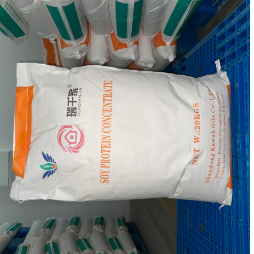
Soy protein concentrate is commonly supplied in industrial bags. XINRUI's product listing describes 20 kg multiwall paper bags containing protective polyethylene liners. It also states that customized packaging may be available. Buyers should confirm current packaging arrangements before placing orders.
Suitable packaging protects the ingredient during transportation and storage. Moisture exposure, damaged bags, and poor handling conditions can create quality concerns. Importers should therefore verify packaging construction, pallet configuration, and shipment protection.
Container loading efficiency also influences landed cost. Buyers need accurate information about bag dimensions, pallet requirements, and achievable shipment weights. Freight quotations should reflect the actual loading arrangement.
International transactions introduce additional variables. Customs charges, insurance, inland transport, and delivery terms may substantially affect total spending. These costs should be included when comparing offers from different countries.
Warehouse conditions are another consideration. Soy protein concentrate should be stored according to the supplier's validated recommendations. Buyers should protect it from excessive moisture, contamination, and unsuitable temperatures.
A competitive quotation becomes more useful when it includes clear logistics information. Purchasing teams can then calculate landed cost and plan storage requirements accurately.
Long-term procurement planning helps manufacturers manage ingredient demand and avoid unnecessary purchasing disruptions. This approach is particularly useful for factories requiring regular deliveries of soy protein concentrate.
Manufacturers should begin by forecasting expected ingredient consumption. Historical production data, seasonal demand, and planned product launches can help estimate future requirements. Accurate forecasts allow suppliers to plan production and shipment schedules.
Clear purchasing agreements can also improve coordination. Buyers should discuss order frequency, minimum quantities, lead times, and delivery responsibilities. These arrangements reduce uncertainty for both parties.
However, long-term purchasing should not eliminate quality controls. Suppliers must continue meeting agreed specifications throughout the relationship. Buyers should monitor delivery reliability, batch performance, and complaint resolution.
Inventory planning matters because excessive stock creates storage costs and potential shelf-life concerns. Insufficient stock can interrupt production. Purchasing teams need an appropriate balance based on demand variability and replenishment lead times.
Manufacturers may also consider qualifying an alternative supplier. A second approved source can provide additional flexibility during unexpected shortages. Nevertheless, alternative ingredients must pass the same technical evaluation requirements.
Cost control therefore involves more than negotiating favorable prices. It requires stable supply, reliable quality, and coordinated purchasing decisions. Companies that manage these elements carefully can reduce operational uncertainty and protect production continuity.
Tip: Calculate landed ingredient costs per acceptable kilogram of finished product, then compare suppliers using the same production assumptions.
Selecting the right supplier requires an assessment of manufacturing capabilities, quality controls, technical support, and commercial reliability. Buyers should look beyond promotional claims and establish whether a supplier can meet their requirements consistently.
Manufacturing capability plays an important role in long-term ingredient sourcing. Buyers need to know whether a supplier can produce the required quantity while maintaining consistent quality. This becomes especially important for manufacturers purchasing large volumes throughout the year.
Supplier evaluation should begin with basic company information. Buyers can review manufacturing locations, production arrangements, and available product categories. They should also clarify whether they are dealing directly with a manufacturer or through a trading company.
Production capacity deserves attention, but published figures should be verified when they affect purchasing decisions. A supplier may report substantial annual output without having sufficient available capacity for a particular order.
Quality control procedures are equally important. Buyers should ask how suppliers inspect raw materials, control processing conditions, and test finished products. Traceability systems should allow individual batches to be identified and investigated.
Manufacturing experience can provide useful context. However, experience alone does not guarantee consistent ingredient performance. Current production records, relevant certifications, and quality documentation provide stronger evidence.
Xinrui Group presents itself as a supplier of soy and wheat protein ingredients. Its official company website provides information about its products and business operations. Buyers considering commercial cooperation should request updated technical documentation and confirm manufacturing capabilities directly.
Factory audits or independent supplier assessments may be appropriate for large purchasing commitments. These evaluations help buyers understand operational strengths and potential risks before establishing long-term agreements.
Purchasing teams should resolve important technical and commercial questions before confirming an order. Clear communication helps prevent disputes caused by incomplete specifications or different expectations.
The first questions should concern the product itself. Buyers need to confirm the available soy protein concentrate grade, protein content, functional properties, and recommended applications. They should also ask whether production samples represent the material intended for commercial delivery.
Documentation requirements should be discussed during the initial inquiry. These may include Certificates of Analysis, allergen statements, product specifications, and relevant certifications. International customers may also require particular shipping or customs documents.
Commercial questions are equally important. Buyers should confirm minimum order quantities, packaging arrangements, expected lead times, and delivery terms. Payment arrangements and procedures for handling quality disputes should also be clearly established.
A supplier's response can reveal useful information about its communication practices. Detailed answers supported by documentation are generally more valuable than broad promises.
Buyers should also clarify how the supplier handles unexpected problems. Procedures for damaged shipments, specification deviations, and delayed deliveries can influence operational risk.
Written confirmation remains important after negotiations. Purchase orders and supply agreements should identify the approved product grade, quality requirements, and commercial conditions.
These steps make supplier relationships more predictable. They also provide a documented basis for resolving issues if actual deliveries differ from expectations.
Technical support becomes valuable when food manufacturers use protein ingredients in complex formulations. An ingredient may meet its chemical specification yet perform differently under specific processing conditions. Suppliers familiar with food applications can help buyers investigate these differences.
For example, a sausage manufacturer may encounter unexpected moisture loss after changing protein suppliers. The cause may involve hydration time, protein grade, mixing temperature, or other formulation factors. An experienced technical representative can help identify which variables deserve investigation.
Application knowledge also helps during ingredient selection. Buyers may describe their desired texture, protein level, and production method. A knowledgeable supplier can explain which available grades appear suitable for initial testing.
However, recommendations should be supported by evidence whenever possible. Buyers should request relevant technical data and conduct their own production trials. Supplier guidance cannot replace internal product validation.
Technical responsiveness matters during routine production as well. Changes in ingredient behavior sometimes require prompt communication. Delayed responses can complicate production planning and quality investigations.
Food manufacturers should evaluate how suppliers handle technical questions during sample approval. This provides an early indication of their ability to support commercial operations.
A dependable supplier relationship combines commercial service and technical knowledge. Both contribute to effective ingredient sourcing, particularly when customers operate multiple product lines or specialized manufacturing processes.
Tip: Request current specifications, representative samples, certification records, and documented lead times before approving a new supplier.
A successful bulk purchase begins with a clear understanding of the intended application. Buyers should confirm functional requirements, quality specifications, commercial terms, and supplier responsibilities before approving an order.
Different food products require different protein characteristics. Buyers should therefore identify their formulation objectives before selecting soy protein concentrate. The intended application determines which properties deserve the greatest attention.
For meat processing, hydration, emulsification, and binding may be especially important. Plant-based formulations may require additional evaluation of texture, flavor, and structural development. Other prepared foods may have different priorities.
The purchasing team should work with production and research departments to define measurable requirements. These may include acceptable protein content, moisture levels, particle size, and functional performance.
Processing equipment must also be considered. Mixing intensity, hydration procedures, heating conditions, and production speed can affect ingredient behavior. A material performing well during laboratory testing may require adjustment during larger production trials.
Buyers should communicate these details when requesting samples. General descriptions such as high quality or excellent functionality are not enough to support technical selection.
A useful supplier inquiry explains the intended product, processing method, and performance expectations. It should also identify any certification or documentation requirements.
Once samples arrive, manufacturers should evaluate them against the existing formulation. Any necessary changes should be recorded before commercial approval.
This approach improves communication and reduces the risk of ordering unsuitable material. It also supports more reliable supplier comparisons because every candidate is evaluated against the same production objectives.
A procurement checklist helps purchasing teams compare supplier offers systematically. It reduces the likelihood of overlooking important technical, commercial, or logistical requirements.
The checklist should begin with the exact product grade and approved technical specification. Buyers should identify the required protein content, moisture level, and relevant functional characteristics. These details help distinguish between products that may otherwise appear similar.
Food safety information should follow. Buyers need appropriate documentation covering microbiological quality, allergens, traceability, and applicable certification requirements.
Commercial terms should also be recorded. Minimum order quantities, packaging formats, lead times, payment conditions, and shipping arrangements can influence supplier selection.
Manufacturers must confirm that the ingredient passes application testing. A technically compliant material may still perform poorly in a particular recipe. Sample approval should therefore be included before large purchasing commitments.
The checklist should also address recurring orders. Buyers need clear procedures for document updates, specification changes, rejected shipments, and quality investigations.
A complete purchasing record makes future decisions easier. New purchasing staff can understand why a product received approval, while quality teams can reference established acceptance criteria.
For large manufacturing operations, this consistency is valuable. It supports standardized purchasing practices and reduces dependence on informal supplier communications.
Large ingredient orders create financial and operational exposure. A product problem can affect substantial quantities of finished food, particularly when manufacturers use the same material across several production lines.
Risk reduction begins before the first commercial shipment. Buyers should obtain representative samples and evaluate them against documented requirements. Laboratory testing can establish basic suitability, while pilot production reveals practical processing behavior.
Supplier qualification should proceed alongside ingredient testing. Buyers need current company information, quality records, and evidence supporting relevant certification claims. Large purchasing commitments may justify additional independent verification.
Once the ingredient receives approval, the purchasing agreement should clearly define acceptance requirements. These may cover specification limits, packaging standards, documentation, and delivery responsibilities.
Pre-shipment inspection can provide additional assurance when commercially justified. However, it should not replace appropriate checks when the material arrives.
Incoming inspection procedures should identify damaged packaging, incorrect labels, or missing documentation. Materials showing possible quality problems should be held until their suitability is established.
Manufacturers should also maintain contingency plans. Delayed shipments, supplier production changes, and unexpected quality issues can disrupt ingredient availability.
A practical risk-management process protects both product quality and production continuity. It allows buyers to establish commercial relationships based on verified performance rather than unsupported assumptions.
Evaluation area | What buyers should confirm |
|---|---|
Product specification | Protein content, moisture, particle size, functional properties |
Intended application | Suitability for meat, plant-based foods, or other formulations |
Quality assurance | Certificates of Analysis, microbiological results, batch traceability |
Compliance | Allergen documentation and relevant market certifications |
Commercial terms | MOQ, pricing, payment terms, and lead times |
Logistics | Packaging, shipping arrangements, and storage conditions |
Production approval | Sample testing, pilot trials, and acceptance criteria |
Supply continuity | Reordering procedures and contingency arrangements |
Tip: Establish written acceptance criteria before shipment and retain approved reference samples for future batch comparisons.
Soy protein concentrate helps bulk buyers balance protein quality, functionality, and production costs. Its water retention, emulsification, and binding properties support consistent food manufacturing.
Reliable specifications, application testing, and stable supply remain essential for successful bulk purchasing.
Xinrui Group offers soy protein concentrate for diverse food processing applications. Its functional protein ingredients and supply services help manufacturers meet production needs and maintain product consistency.
A: Soy protein concentrate is a functional ingredient containing approximately 65–70% protein.
A: It supports water retention, emulsification, consistent quality, and production efficiency.
A: It improves binding, texture, and moisture retention in suitable formulations.
A: Its functional properties can improve yields and reduce formulation costs.
A: Concentrate has lower protein purity but may offer better formulation value.
A: Verify specifications, test samples, and review supplier batch records.
 English
 简体中文