Views: 0 Author: Site Editor Publish Time: 2026-06-12 Origin: Site


Soy Protein Isolate is far more than a simple nutritional supplement. It serves as a highly functional, structural powerhouse for commercial food manufacturing. Food processors increasingly lean toward plant-based formulations and cost-optimized production lines. They need ingredients capable of doing heavy lifting. Packing over 90% protein on a dry basis, this ingredient offers distinct physicochemical advantages over lower-concentration alternatives like soy flour or soy concentrate.
Evaluating this powerful ingredient means looking far beyond basic macronutrient labels. You must understand how it directly impacts industrial yield, maintains structural integrity, and manages flavor masking in complex food matrices. Successful integration unlocks better textures and stronger product margins. Let us explore exactly how you can leverage it in your upcoming food product runs to achieve superior commercial results.
High Purity Baseline: SPI guarantees >90% dry-basis protein with minimal fat (≈0.5%) and carbohydrates (≈0.3%), making it the most concentrated commercial soy derivative.
Functional Versatility: Beyond boosting macros, SPI acts as a primary agent for water binding, fat emulsification, foaming, and gelation in complex food matrices.
Commercial ROI: Strategic inclusion (often just 1-4% by volume in meat/dairy alternatives) significantly improves cooking yields, reduces reliance on expensive animal proteins, and extends shelf stability.
Formulation Realities: Successful integration requires precise hydration protocols to avoid clumping and structural degradation during thermal processing.
Food manufacturers face a continuous research and development challenge. You must achieve precise textures and maximum product yields without escalating baseline ingredient costs. Formulators need a dependable mechanism to balance these variables. Utilizing Soy Protein Isolate provides a highly technical solution to stabilize formulas and boost commercial viability.
Proteins contain both hydrophilic (water-loving) and lipophilic (fat-loving) amino acid sequences. This dual nature allows the isolate to coat fat droplets efficiently. It prevents fat separation in highly processed foods like sausages, sauces, and ready-to-eat meals. When dispersed properly, it creates a stable barrier around lipid molecules.
In commercial confections, this emulsifying property proves exceptionally valuable. For instance, manufacturers use it in chocolates to prevent "fat bloom." Fat bloom occurs when cocoa butter separates and migrates to the surface, leaving unappealing white streaks. Adding small percentages of this plant protein traps the fat within the matrix, keeping the chocolate visually appealing and texturally smooth over time.
Managing moisture dictates the success of almost any commercial food product. This plant protein possesses a remarkable capacity to lock in moisture during intense heating and cooling cycles. Upon heating, its tight protein structures unfold. They expose binding sites that capture free water molecules. This prevents products from drying out under heat lamps or during extended frozen storage.
Heat-induced gelation is another critical property. When subjected to specific thermal parameters, the protein forms a resilient, three-dimensional gel network. Meat analogues rely heavily on this network. It provides the firm, satisfying bite consumers expect from plant-based burgers or sausages, effectively mimicking the structural integrity of animal muscle.
Many delicate food items require stable cellular structures to feel light and airy. Traditionally, bakers relied on egg whites to achieve this aeration. However, egg prices fluctuate, and vegan demands continue to rise. This plant protein serves as an excellent foaming agent.
When whipped in aqueous solutions, it reduces surface tension and forms a protective film around air bubbles. This utility shines in baked goods, nougats, and whipped dessert formulations. It maintains volume during baking and prevents the collapsed textures often associated with egg-free recipes.
Understanding the underlying science is only half the battle. You must also know how to apply these functional properties across different food categories. Each sector demands unique implementation strategies and yields distinct commercial outcomes.
The meat and seafood industry utilizes plant proteins primarily for structural reinforcement and moisture retention.
Implementation: Formulators typically use it at 1–4% pre-hydrated levels. You incorporate it during the bowl-chopping or blending phase.
Outcome: It acts as an aggressive structural binder. It drastically reduces cooking loss, preventing moisture and fat drip during consumer preparation. By replacing higher-priced muscle proteins with this high-yield ingredient, manufacturers lower their total formulation costs while maintaining a juicy mouthfeel.
The dairy-free sector relies heavily on high-purity protein bases to replicate the nutritional and textural profiles of cow's milk.
Implementation: Manufacturers use it as a foundational base for non-dairy creamers, vegan cheeses, and specialized lactose-free infant powders.
Outcome: It provides a creamy, smooth mouthfeel. Crucially, it delivers a complete amino acid profile containing all nine essential amino acids. For infant formulas, it eliminates the dietary fiber found in lower-grade soy products, preventing severe gastrointestinal distress in sensitive babies.
Carbohydrate-heavy products often lack nutritional density. Adding pure protein transforms them into premium health foods.
Implementation: You blend it directly with standard wheat or gluten-free flours. Because it absorbs significant water, you must adjust the hydration parameters of your dough upward.
Outcome: It enhances dough rheology and increases heat stability during baking or extrusion. More importantly, it allows brands to legally print lucrative "High Protein" claims on the front of their packaging.
The active nutrition market demands highly concentrated, fast-absorbing ingredients.
Implementation: Extrusion facilities process it into crunchy protein crisps or use it as a dry powder base in dough-like protein bars.
Outcome: It delivers dense, clean protein. Consumers get the muscle-building macros they want without unwanted carbohydrates or excess fats diluting the product.
| Food Category | Standard Usage Level | Primary Function | Key Commercial Benefit |
|---|---|---|---|
| Processed Meats | 1% – 4% (Pre-hydrated) | Water binding & Gelation | Reduces cooking loss; lowers formula cost |
| Dairy Alternatives | Varies by product base | Emulsification & Mouthfeel | Provides complete amino acids; fiber-free |
| Baked Goods | 5% – 15% (Flour replacement) | Dough rheology enhancement | Enables "High Protein" label claims |
| Sports Nutrition | High inclusion (extrudates) | Macro-nutrient density | Delivers clean protein without excess carbs |
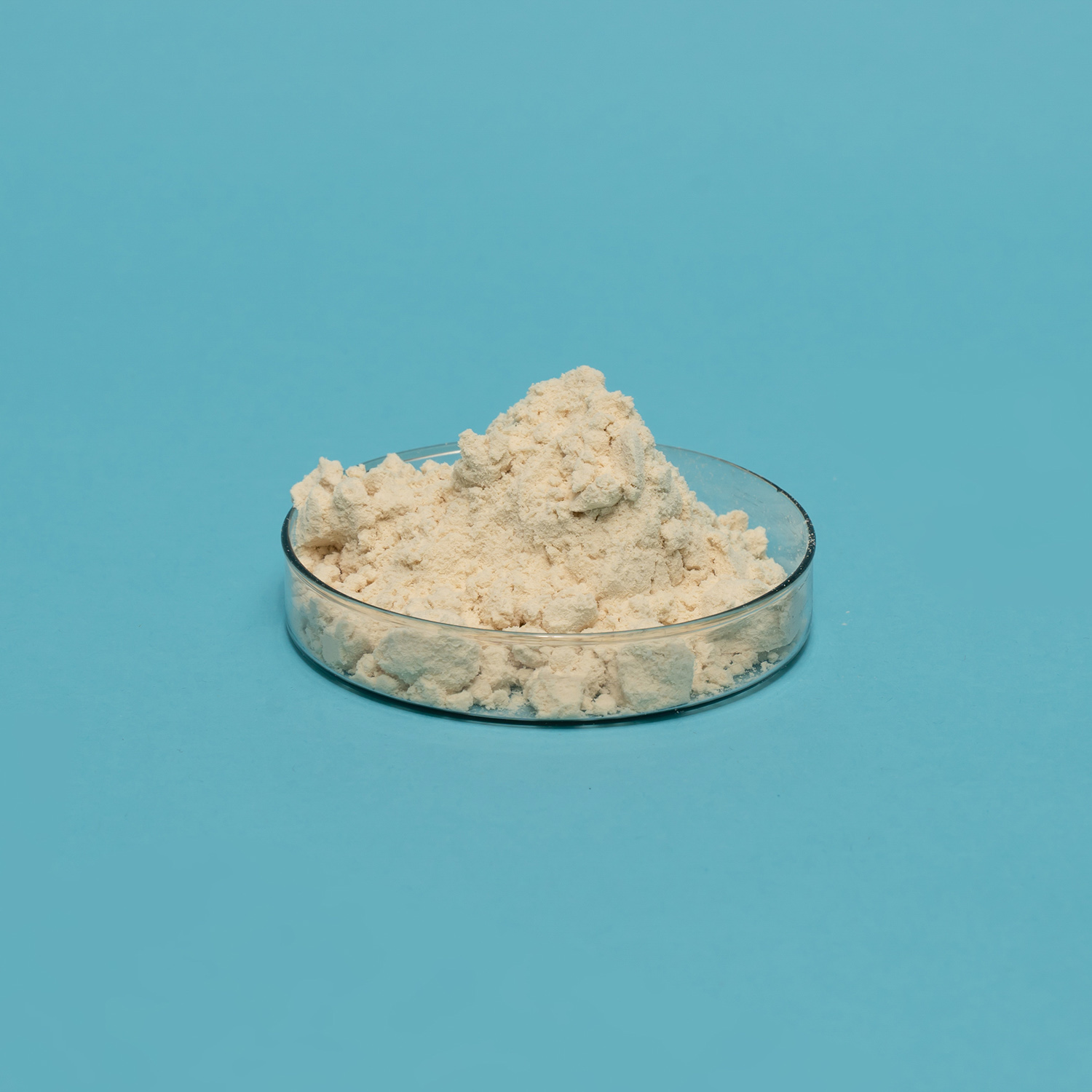
Scaling a benchtop formula to a continuous commercial line introduces unique physical challenges. Mishandling this concentrated ingredient results in ruined batches and clogged equipment. You must anticipate its behavior under industrial stress.
This protein powder is exceptionally hygroscopic. It rapidly seeks out and absorbs water. If you dump it carelessly into a liquid matrix, it forms severe clumps. The outside of the clump hydrates and creates an impermeable gel barrier, leaving the inside completely dry. This ruins the texture and leaves gritty spots in the final product.
Best Practice: Always use high-shear mixing equipment. Implement phased incorporation. Add the powder slowly at the end of wet processing stages. Never add it directly to boiling liquids or hot oils, as extreme, sudden heat denatures the protein before it can properly disperse.
Suppliers generally consider high-purity protein isolates "neutral" in flavor. However, high concentrations can impart slight beany, earthy, or astringent off-notes. These subtle flavors become magnified in delicately flavored applications like vanilla beverages or plain baked goods.
You can manage this risk through strategic formulation. Utilize natural flavor maskers designed to block astringency receptors on the tongue. Adjusting the pH slightly can also shift the flavor perception. Alternatively, blend it with complementary plant proteins. Combining it with pea or rice protein often neutralizes the distinct taste profiles of each individual ingredient.
Environmental factors degrade protein quality quickly. Improper storage alters the solubility index and functional power of the ingredient.
Common Mistake: Avoid prolonged storage in specific metallic containers. Reactive metals can catalyze oxidation, leading to rancidity and degradation of the protein isolate. Store the powder in cool, dry environments using non-reactive, food-grade liners to maintain its functional shelf life.
Technical buyers must justify the premium price tag of high-purity ingredients. You evaluate it not just on a per-pound basis, but on the financial returns it generates downstream.
The upfront cost of Soy Protein Isolate runs typically 5 to 7 times higher than basic defatted soy flour. Inexperienced buyers often hesitate at this price gap. However, the downstream financial returns easily justify the expense. Its superior water and fat retention capabilities dramatically increase the final product yield. By holding more moisture, you sell more finished weight per batch. Additionally, its emulsification properties extend shelf life, reducing expensive spoilage and retail shrink.
Marketing departments love this ingredient. It qualifies for an FDA-authorized health claim. Products meeting specific formulation criteria can state that diets low in saturated fat and cholesterol that include 25 grams of soy protein daily may reduce the risk of coronary heart disease. This powerful medical endorsement drives consumer purchasing decisions.
Furthermore, it aligns perfectly with the "Clean Label" trend. Manufacturers face immense pressure to remove synthetic emulsifiers and chemical binders from their packaging. Swapping unpronounceable chemical additives for a recognized, natural-sounding plant ingredient cleans up the ingredient deck significantly.
Transparency remains crucial. Soy stands as one of the major globally recognized food allergens. Evaluating this ingredient means you must assess your facility's capabilities. If you introduce it into a multi-purpose plant, you must establish dedicated processing lines or implement rigorous, validated cross-contamination protocols. Failure to manage this allergen properly results in dangerous product recalls and brand damage.
Not all powders perform equally. Two batches from different suppliers might look identical but behave completely differently in a high-shear mixer. You must implement a strict vetting process.
Protein Content Verification: The Certificate of Analysis (COA) must strictly show >90% protein on a dry weight basis. Reject anything lower, as it contains excess carbohydrates that disrupt gelation.
Solubility Index (NSI/PDI): Match the Nitrogen Solubility Index to your product. Beverage manufacturers require highly soluble variants to prevent chalky mouthfeels. Meat extruders usually prefer standard or lower solubility versions for firmer textures.
Your target consumer dictates your sourcing requirements. Non-GMO certification proves crucial, especially if you distribute to premium or European markets where GMO tolerance remains low.
Examine the extraction methods. Standard isoelectric precipitation works well for many foods. However, if you need specific pH tolerances or rapid dispersion, look for specialized sodium or potassium proteinates. These modified extraction techniques alter the functional behavior of the final powder.
Never commit to commercial-scale Minimum Order Quantities (MOQs) based solely on a specification sheet. Request 100g to 1kg sample sizes first. Put these samples through rigorous pilot testing. Run hydration trials, subject them to your specific thermal stress profiles, and evaluate the final texture over a 14-day accelerated shelf-life test. Only scale up purchasing once the pilot proves successful.
Soy Protein Isolate stands out as a highly technical, multi-functional ingredient. It successfully solves dual mandates for modern food manufacturers. It allows you to hit aggressive nutritional targets, delivering high protein and low carbohydrates. Simultaneously, it provides the essential structural engineering necessary for processed foods to maintain their shape, moisture, and texture.
Formulators should base their selection strategy on deep technical criteria. Do not select a supplier based on bulk pricing alone. Evaluate their solubility specifications, flavor neutrality, and how perfectly their product matches your specific physicochemical requirements, whether you need robust gelation or delicate emulsification.
Take immediate action to secure your supply chain. Advise your technical buyers to request updated Technical Data Sheets (TDS) from prospective vendors. Begin small-batch hydration testing immediately to discover exactly how this powerful ingredient can elevate your current formulations.
A: Isolate is the purest form (>90% protein) with virtually no carbs or fiber. Concentrate contains 65-70% protein and retains dietary fiber. Textured soy protein (TSP/TVP) is structurally modified (typically from flour or concentrate) to mimic meat fibers, containing around 50% protein.
A: No. SPI is 100% plant-based and naturally free of lactose, making it a primary substitute in vegan and dairy-free manufacturing.
A: No. SPI lacks gluten and absorbs significantly more water than standard flour. It must be used as a fractional additive (typically replacing 5-15% of flour) alongside adjusted hydration ratios to prevent dry, dense textures.
A: By binding free water (reducing water activity) and stabilizing fat emulsions, SPI can help delay staling in baked goods and reduce oxidative rancidity in processed meats, subtly extending viable shelf life.

 English
 简体中文
简体中文