Views: 0 Author: Site Editor Publish Time: 2025-10-22 Origin: Site


You can swap vital wheat gluten in bread recipes with simple ingredients. The best vital wheat gluten replacement options include psyllium husk, xanthan gum, egg white, and high-protein choices like soy flour. Many bakers also use hydrocolloids such as guar gum, pectin, and carboxymethylcellulose. These substitutes mix easily and give your dough structure and texture. Making bread without vital wheat gluten feels easy once you know the right ratios. You’ll find practical tips for measuring and mixing in the next sections.
Psyllium husk is a great substitute for vital wheat gluten. Use 1 tablespoon per cup of gluten-free flour to improve dough structure and rise.
Xanthan gum can enhance the texture of quick breads and muffins. Start with 1/2 to 1 teaspoon per cup of flour for the best results.
Egg whites boost the protein content and improve the rise of gluten-free bread. Use one egg white for every cup of flour in your recipe.
High-protein ingredients like soy flour can replace up to 1/4 of your flour. They add nutrition and structure to your bread.
Always measure substitutes carefully and adjust liquid in your recipe. This ensures your dough stays moist and rises well.

Psyllium husk works as a popular vital wheat gluten replacement in bread recipes. You can use about 1 tablespoon of psyllium husk per cup of gluten free flour. This ingredient acts as a strong binding agent. It holds your dough together and helps it rise, even when you use non wheat flour like coconut flour or rice flour.
Pros:
Mimics the stretchiness of gluten.
Improves structure and keeps bread from collapsing.
Adds a mild nutty flavor.
Helps create light and fluffy gluten free bread.
Supports a good rise, even with rice flour or coconut flour.
Cons:
Psyllium husk powder can turn baked goods purple.
You need to measure carefully, especially when switching between whole husk and powder.
The flavor may not suit every recipe.
Tip: If you use coconut flour or rice flour, psyllium husk helps bind the dough and gives it a better texture. Try it in your next gluten free flour blend.
Xanthan gum is another common vital wheat gluten replacement. You only need a small amount—usually 1/2 to 1 teaspoon per cup of gluten free flour or non wheat flour. Xanthan gum works well with coconut flour, rice flour, and even garbanzo bean flour.
Pros:
Helps achieve a light and fluffy texture.
Works well in quick breads and muffins.
Blends easily with rice flour and coconut flour.
Cons:
Too much xanthan gum can make bread tough or sticky.
You may need to experiment with the amount for the best results.
Note: Start with less xanthan gum and add more if your dough feels too crumbly. This is especially helpful when using rice flour or coconut flour.
Egg white offers a natural way to improve bread structure. You can use one egg white for every cup of gluten free flour or non wheat flour in your recipe. Egg white works well with coconut flour, rice flour, and garbanzo bean flour.
Ingredient | Effect on Bread Structure and Texture |
|---|---|
Egg White | Improves structure, increases volume, and enhances texture. |
Vital Wheat Gluten | May not enhance rise and texture in low gluten flour. |
Egg white helps your bread rise and gives it a soft, airy crumb. It also boosts the protein content, which is great if you use alternative flours like coconut flour or rice flour.
Pros:
Improves rise and texture.
Adds protein.
Works with many gluten free flour blends.
Cons:
Not suitable for vegan baking.
May change the flavor slightly.
High-protein ingredients like soy flour, pea protein, and garbanzo bean flour can replace vital wheat gluten in bread. You can swap up to 1/4 of your gluten free flour or non wheat flour with a high-protein option. These ingredients work well with coconut flour and rice flour.
Pros | Cons |
|---|---|
High in protein (good for vegetarians/vegans) | Highly processed |
Excellent source of minerals | May upset your gut |
Low in carbs and fat | Not for gluten sensitivity |
Soy-free and easy to use | |
Versatile, especially in seitan recipes |
Pros:
Boosts nutrition.
Adds structure to bread.
Works with coconut flour, rice flour, and garbanzo bean flour.
Cons:
Some high-protein flours are highly processed.
May not suit people with sensitive stomachs.
Tip: Try mixing garbanzo bean flour with rice flour or coconut flour for a protein boost and better texture.
Guar gum is a plant-based binder that works well as a vital wheat gluten replacement. Use about 1 teaspoon of guar gum per cup of gluten free flour or non wheat flour. Guar gum blends easily with coconut flour, rice flour, and garbanzo bean flour.
Advantages | Disadvantages |
|---|---|
Improves texture and moisture retention | May cause digestive issues in excess |
Enhances elasticity and dough rise | Too much can make bread bulky or stringy |
Slows down staling | |
Gluten-free and safe for celiac disease | |
Binds ingredients and improves stability |
Pros:
Helps bread rise and stay moist.
Works with coconut flour, rice flour, and other gluten free flour.
Safe for gluten free diets.
Cons:
Too much can upset your stomach.
Overuse can make bread dense or stringy.
Note: Guar gum is a great choice for gluten free flour blends with coconut flour or rice flour. Measure carefully for the best results.
You have many options for vital wheat gluten replacement in bread recipes. Each substitute works well with gluten free flour, coconut flour, rice flour, and even garbanzo bean flour. Try different combinations to find what works best for your favorite non wheat flour or alternative flours.
When you bake bread, you want a dough that holds together and rises well. Vital wheat gluten plays a huge role in this. Once you hydrate it, this wheat protein becomes super stretchy and elastic. It acts like the backbone of your dough, creating a strong network that keeps everything in place. This network lets your bread trap air, which is key for a fluffy loaf.
Vital wheat gluten forms a continuous web that supports the dough.
It helps your bread hold its shape and not collapse during baking.
The gluten network interacts with starch, making your dough more stable after it bakes.
If you use a vital wheat gluten replacement, you need something that can mimic this structure. That’s why so many vital wheat gluten recipes call for binders like psyllium husk or xanthan gum. These substitutes help your dough act more like traditional wheat bread, even if you use alternative flours.
Tip: If you want to try a seitan recipe vital wheat gluten is usually the main ingredient because of its strong structure. When you substitute vital wheat gluten, always look for a replacement that can create a similar network.
You probably love bread that’s light, chewy, and full of air pockets. That’s the magic of gluten. It traps the gases from yeast, so your dough expands and gets that classic bread texture. Without enough gluten, your bread can turn out flat or dense.
Gluten makes bread chewy and elastic, which is perfect for artisan loaves.
Adding gluten to whole grain or alternative flour breads helps them rise higher and feel softer.
If you use a vital wheat gluten replacement, you might notice a change in texture. Some substitutes make bread a bit more crumbly or less chewy.
Here’s a quick look at what gluten does for your bread:
What Gluten Does | Why It Matters for Bread |
|---|---|
Traps air and gases | Gives bread a light, airy crumb |
Adds chewiness | Makes bread more satisfying |
Improves rise | Helps bread look and feel taller |
When you use a substitute vital wheat gluten, you can still get great results. You just need to pick the right replacement and adjust your recipe. Many vital wheat gluten bread recipes work well with psyllium husk or xanthan gum, so don’t be afraid to experiment!
Getting the right measurements makes a big difference when you use a vital wheat gluten replacement. You want your bread to rise and hold its shape, so pay close attention to how much substitute you add. For most recipes, start with 1 teaspoon of your chosen substitute per cup of flour. If you use a flour substitute like coconut flour or rice flour, you may need to adjust the amount. Some substitutes, like psyllium husk or xanthan gum, work best in small amounts. Too much can make your gluten free dough sticky or dense.
Measure substitutes carefully for consistent results.
Mix thoroughly to avoid clumps and uneven texture.
If you use non-gluten flours, try blending them with bread flour for better structure.
Tip: Always check your dough after mixing. If it feels dry or crumbly, add a little more liquid or substitute.
Vital wheat gluten replacement ingredients often absorb more water than regular flour. You need to increase the liquid in your recipe by a few tablespoons. This helps your dough stay moist and improves the rise. Coconut flour, for example, needs extra hydration but can still turn out sour if you add too much. Almond flour does not absorb water well, so your loaf may end up dense.
Substitute | Liquid Needed | Texture Result |
|---|---|---|
Psyllium Husk | High | Fluffy, moist |
Xanthan Gum | Medium | Light, airy |
Almond Flour | Low | Dense, crispy crust |
Rice Flour | Medium | Traditional look |
Note: If your dough feels too wet, add a little more flour substitute. If it feels too dry, add water one tablespoon at a time.
Making gluten free breads with a vital wheat gluten replacement takes practice. You might notice changes in flavor and texture. Coconut flour can taste sour after proofing. Rice flour gives a classic look but lacks elasticity. Faba bean protein makes dough dense and strong-smelling. Garbanzo bean flour is milder but still not ideal for most loaves. If you want bread that looks and tastes like the real thing, try a blend like I'm Free Perfect Gluten Free Flour. It creates a crust and texture close to traditional bread.
Use blends for better results in gluten free breads.
Mix non-gluten flours with bread flour for structure.
Avoid using too much substitute vital wheat gluten, or your bread may collapse or turn out stringy.
Callout: Always experiment with small batches first. This helps you find the best vital wheat gluten replacement for your favorite recipes.
When you look for a vital wheat gluten replacement, you want to know what works best for your bread. Here’s a quick table to help you compare the main options:
Substitute | Gluten-Free? | Best For | Liquid Absorbency | Nutrition Highlights | Pros | Cons |
|---|---|---|---|---|---|---|
Psyllium Husk | Yes | Gluten free bread, dense loaves | High | High fiber, low protein | Great binding, improves rise | Can turn bread purple, flavor varies |
Xanthan Gum | Yes | Quick breads, muffins | Medium | Low calorie, low protein | Light texture, easy to blend | Too much = sticky or tough bread |
Egg White | No (animal) | Soft sandwich bread | Medium | High protein, no gluten | Boosts rise, soft crumb | Not vegan, changes flavor |
High-Protein Flours | Yes | Seitan recipe vital wheat gluten, protein-rich bread | Medium | High protein, minerals | Adds structure, good for vegans | Can be processed, may upset stomach |
Guar Gum | Yes | Gluten free bread, pizza dough | High | Plant-based, low calorie | Moisture retention, safe for celiac | Too much = dense or stringy bread |
Coconut Flour | Yes | Muffins, dense breads | High | High fiber, paleo-friendly | Gluten-free, good for desserts | Not ideal for light bread texture |
Vital Wheat Gluten | No | Artisan bread, pizza, pasta | High | High protein, low carb | Elasticity, best rise, chewy texture | Not for gluten-free diets |
Bread made with vital wheat gluten is usually higher in protein (about 7g per tablespoon) and contains no sodium or fat. Substitutes may have less protein and different nutrition.
You want your vital wheat gluten replacement to match your bread style. Here’s how each substitute shines:
Psyllium Husk: Perfect for gluten free bread and dense loaves. It holds everything together and gives a chewy bite.
Xanthan Gum: Works best in quick breads, muffins, and recipes where you want a light, airy crumb.
Egg White: Great for soft sandwich bread and rolls. It helps your bread rise and stay fluffy.
High-Protein Flours: Try these in seitan recipe vital wheat gluten swaps or when you want a protein boost in vital wheat gluten bread.
Guar Gum: Use this for gluten free pizza dough or when you need extra moisture in your loaf.
Coconut Flour: Best for desserts, muffins, or dense bread. It’s gluten-free and high in fiber.
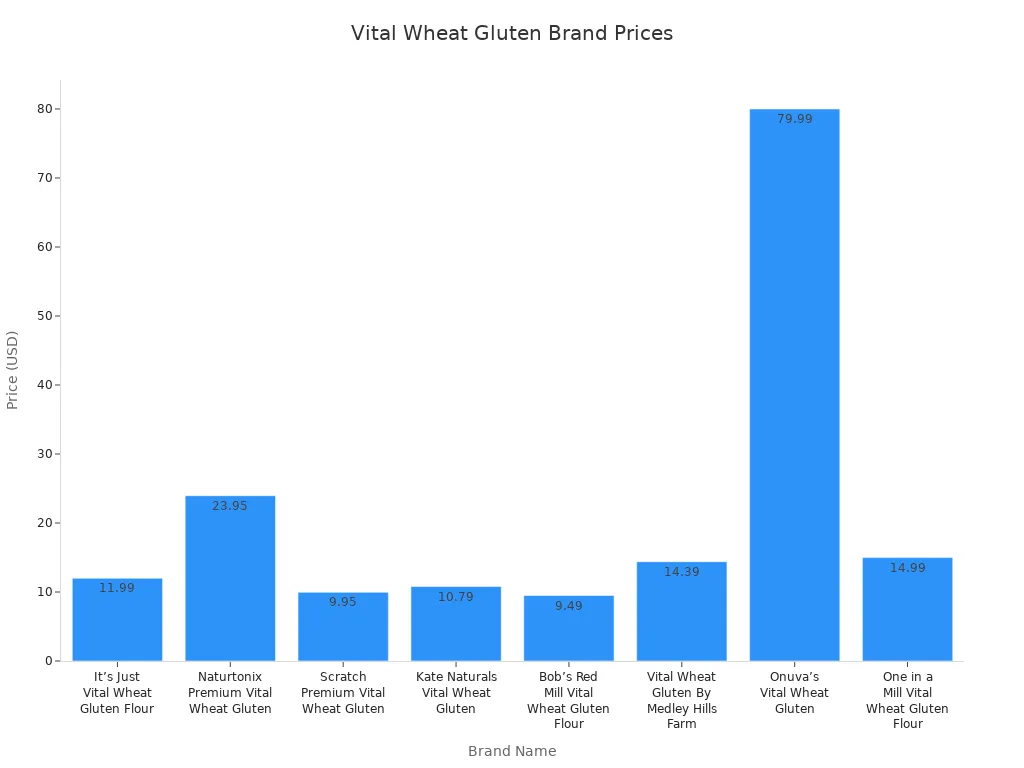
Prices for vital wheat gluten vary by brand, but many substitutes cost less and have a lower environmental impact. Plant-based options like psyllium husk and guar gum use fewer resources and produce less carbon than wheat gluten.
If you want a classic artisan loaf, vital wheat gluten recipes still give the best texture and rise. For gluten-free or paleo diets, a substitute vital wheat gluten like psyllium husk or coconut flour fits your needs. Try different blends to find your favorite vital wheat gluten bread!
Here’s a simple bread recipe you can try at home. You don’t need vital wheat gluten to get a great loaf. You just need the right vital wheat gluten replacement. Grab these ingredients:
3 cups whole wheat flour (or your favorite gluten free flour blend)
1 tablespoon psyllium husk (as your vital wheat gluten replacement)
2 teaspoons instant yeast
1 1/4 cups warm water
2 tablespoons oil (olive or canola)
2 tablespoons honey or maple syrup
1 teaspoon salt
1 teaspoon lemon juice
Tip: You can swap psyllium husk for 1 teaspoon xanthan gum, 1 teaspoon guar gum, or 1 egg white if you want to try a different substitute vital wheat gluten. Each option gives your bread a unique texture.
Follow these steps for a reliable loaf using a vital wheat gluten replacement:
Mix the flour, psyllium husk (or your chosen substitute), yeast, and salt in a large bowl.
In another bowl, combine warm water, oil, honey, and lemon juice.
Pour the wet ingredients into the dry mix. Stir until a sticky dough forms.
Let the dough rest for 10 minutes. This helps the vital wheat gluten replacement absorb moisture.
Knead the dough for 5–7 minutes. If it feels too dry, add a tablespoon of water. If it’s too sticky, sprinkle in a bit more flour.
Shape the dough into a loaf and place it in a greased pan.
Cover and let it rise in a warm spot for 45–60 minutes, or until it doubles in size.
Bake at 375°F (190°C) for 30–35 minutes. The top should turn golden brown.
Cool the bread on a rack before slicing.
Note: If you use xanthan gum or guar gum as your vital wheat gluten replacement, use only 1 teaspoon per 3 cups of flour. For egg white, add one per cup of flour and reduce the water slightly. Each substitute vital wheat gluten will change the texture, so try different options to find your favorite.
You can use this recipe as a base for many vital wheat gluten recipes. Try it with different flours or add-ins like seeds for your own twist on vital wheat gluten bread!
You have plenty of options when you want to swap out vital wheat gluten. Each substitute brings its own benefits, so you can bake nutritious breads that fit your needs. Try different replacements and see which one gives you the best texture and flavor. With a few tweaks, you can enjoy homemade bread every time. Start with the sample recipe and make it your own!
You can try psyllium husk, xanthan gum, or egg white as a vital wheat gluten replacement. Each one helps your bread rise and hold together. Psyllium husk works best for gluten-free loaves, while xanthan gum gives a lighter texture.
Seitan recipes rely on vital wheat gluten for their chewy texture. You can’t fully substitute vital wheat gluten in classic seitan recipes. If you want a plant-based protein, try high-protein flours, but the result won’t match traditional seitan.
When you use a vital wheat gluten replacement, add more liquid to your dough. Start with one tablespoon extra water per cup of flour. Mix well and check the dough’s texture. You may need to experiment to get the perfect loaf.
Yes, a vital wheat gluten replacement can change the flavor and texture. Psyllium husk adds a mild, nutty taste. Xanthan gum and guar gum have almost no flavor. Egg white makes bread softer and richer.
You can find gluten-free flour blends that use psyllium husk, xanthan gum, or guar gum as a substitute vital wheat gluten. These blends work well in vital wheat gluten bread recipes and save you time in the kitchen.

 English
 简体中文
简体中文