Views: 0 Author: Site Editor Publish Time: 2026-09-07 Origin: Site


The meat processing sector constantly battles fluctuating raw material costs. Facility managers strive to maintain the premium taste, snap, and juiciness that consumers expect. Traditional sausage manufacturing routinely struggles with moisture loss during thermal processing. This shrinkage, combined with fat separation and inconsistent textures, directly destroys profitability.
To overcome these daily factory hurdles, modern processors deploy specialized soy protein isolate into their formulations. Acting as an industrial-grade binder and emulsifier, it re-engineers how water and fat interact within the meat matrix. This technical guide explores the exact science and floor-level application of premium protein. You will learn how to maximize production yield, stabilize emulsion textures, and protect your bottom line.
Key Takeaways
Maximized Yield: Strategic protein application locks in water and fat. This directly increases final product weight and defends profit margins.
Superior Texture: The ingredient forms a resilient gel matrix. It enhances sliceability, firmness, and the classic snap of emulsified sausages like hot dogs.
Cost Efficiency: Substituting a calculated percentage of expensive lean meat with functional plant protein slashes formulation costs. Sensory quality remains completely intact.
Targeted Formulations: Industrial grades are explicitly engineered for meat emulsions. They deliver rapid cold-water hydration, exceptional gel strength, and a strictly neutral flavor profile.
Looking at the broader food processing landscape, a distinct shift is occurring. Historic inflation and volatile animal protein markets are forcing meat producers to rethink traditional recipes. Industry data reveals a surging reliance on functional plant-based additives to stabilize production costs. However, this transition goes beyond simple economics. Advanced facilities now depend on these highly technical ingredients to standardize complex meat-fat-water systems. By adopting specialized isolates, manufacturers buffer against the natural inconsistencies of raw meat trimmings while easily meeting strict regulatory protein requirements.
To optimize high-volume production, plant engineers must understand exactly how ingredients behave inside a high-speed bowl chopper. Plant protein has evolved far beyond a cheap filler. Today, it serves as a critical structural component in modern meat science.
This refined powder contains a minimum of 90 percent protein on a moisture-free basis. The rigorous extraction process strips away fats and carbohydrates. What remains is a pure, highly concentrated functional core.
Not all powders are suitable for the factory floor. While standard variants work for nutritional shakes, sausage manufacturing demands specific thermal and mechanical traits. For emulsified meats, specifying a Meat & Emulsion Type Isolated Soy Protein guarantees proper gelation. This targeted ingredient is processed to expose specific hydrophilic and lipophilic groups. Consequently, it binds seamlessly with both ice water and animal fat under extreme shear forces.
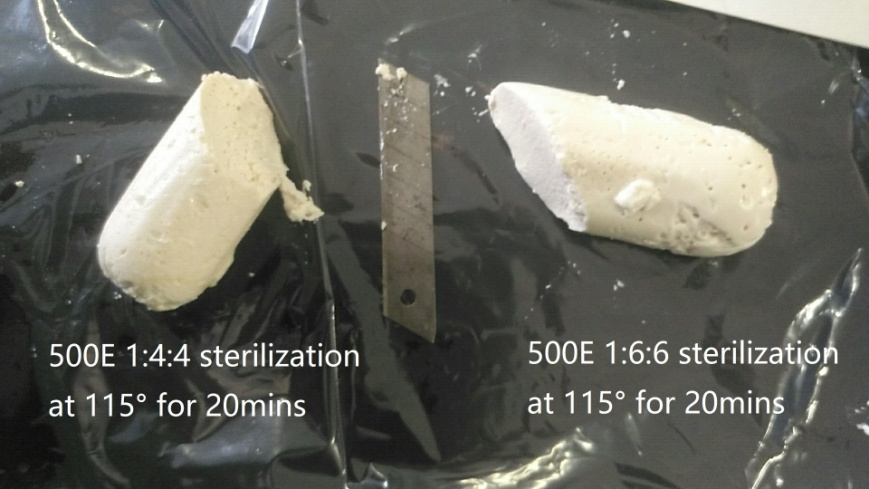
Yield optimization drives every decision in a commercial sausage plant. Applying the right functional binder directly impacts the balance sheet by minimizing evaporative weight loss during aggressive smoking or boiling stages.
The primary value of this ingredient lies in its exceptional water-holding capacity. Upon hydration, the powder rapidly absorbs liquid and swells into a highly viscous paste. In standard factory applications, the hydration ratio for premium grades is strictly 1 part protein to 4 parts water and 4 parts fat.
This rapid swelling traps moisture deep inside the microscopic structure of the meat batter. It actively prevents the cloudy liquid purge often found in vacuum-sealed hot dog packages. Furthermore, it drastically cuts down evaporative loss when racks enter the smokehouse.
Fatting out represents a critical failure on the production line. This occurs when unstable fat melts and separates from the meat mixture, creating greasy pockets under the casing.
Proper emulsification mitigates this exact risk. The protein molecules feature both water-loving and fat-loving amino acid chains. During the intense friction of the bowl chopping phase, the lipophilic ends anchor themselves to microscopic fat droplets. Simultaneously, the hydrophilic ends face outward into the water phase. This physical encapsulation builds a robust barrier. It prevents fat droplets from coalescing and melting out during high-heat roasting.
Consumers judge deli meats primarily by mouthfeel. A premium hot dog must never feel mushy or crumbly. Therefore, selecting the correct structural binder is non-negotiable for product integrity.
The unique gel-forming capability of the isolate activates under heat. As the raw batter cooks, the protein molecules denature and unfold. They chemically cross-link with natural meat proteins like myosin. This reaction builds a resilient three-dimensional network. Acting as a microscopic scaffold, this matrix locks in moisture and fat, ensuring the sausage holds a firm shape after cooling.
For large-diameter logs like bologna or mortadella, sliceability dictates quality. A weak emulsion inevitably tears under a high-speed deli slicer blade. The stable matrix provided by specialized isolates guarantees a clean, smooth cut every single time.
Similarly, in small-diameter casings, this internal network directly creates the sought-after snap. The reinforced meat batter presses firmly against the cellulose casing, providing that satisfying resistance upon the first bite.
For engineers scaling up emulsified products, selecting the exact grade of protein determines success or failure. General-purpose proteins simply lack the tolerance for high-friction, high-shear chopping environments.
When evaluating commercial options, 9500 Soy Protein Isolate stands out as the industry benchmark. Unlike generic supplements, this formulation undergoes precise thermal processing to maximize factory-level functionality.
To illustrate the difference, consider the critical parameters required for stable meat emulsions. The table below highlights why targeted grades outperform standard alternatives on the production floor.
| Technical Parameter | General Purpose SPI | Meat Emulsion Type 9500 Grade |
|---|---|---|
| Protein Content Dry Basis | ≥ 90% | ≥ 90% Highly functionalized |
| Gel Strength | Low to Medium | High Forms firm, irreversible matrix |
| Hydration Ratio Protein:Water:Fat | Variable Often 1:3:3 | Strictly 1:4:4 |
| Cold Water Dispersibility | Prone to lumping | Rapid, lump-free dispersion |
| Flavor Profile | Slightly beany or astringent | Highly neutral, washed profile |
Specifically, advanced extraction technologies eliminate volatile flavor compounds like hexanal. This yields a highly neutral profile. The ingredient operates silently in the background, reinforcing structure without masking your proprietary spice blends or natural hardwood smoke.
In an industry defined by razor-thin margins, raw material optimization is critical. Deploying functional plant proteins delivers profound economic advantages that immediately improve plant profitability.
Lean meat remains the most expensive item on any formulation sheet. By leveraging the immense hydration capacity of specialized binders, production managers can strategically reduce lean meat percentages.
Because one kilogram of a high-performance isolate binds four kilograms of water and four kilograms of fat, it generates nine kilograms of stable pre-emulsion. Substituting just two to five percent of expensive lean pork with this hydrated matrix drastically lowers the batch cost. You maintain the required protein baseline and sensory bite while slashing the cost per kilogram.
Meat blocks are inherently inconsistent. An animal's age, diet, and post-mortem pH drastically alter the natural water-holding capacity of the trimmings. These daily fluctuations cause frustrating batch defects.
Incorporating a standardized Meat & Emulsion Type Isolated Soy Protein acts as your operational insurance policy. It provides a guaranteed baseline of emulsification, buffering your recipe against unpredictable raw meat quality. Every shift produces the exact same sliceable, juicy sausage.
Achieving maximum functional benefit requires strict adherence to processing protocols. Introducing the powder haphazardly leads to weak gels, dry pockets, and ultimate batch failure.
Depending on your specific equipment setup, operators generally utilize two primary methodologies.
The Pre-Emulsion Method involves creating a stable paste before introducing it to the main meat block. The operator blends the isolate with ice water until fully hydrated, then slowly chops in the animal fat. This creates a thick, mayonnaise-like emulsion. It proves highly effective for recipes with exceptionally high fat content requiring maximum stabilization.
In contrast, the Dry Addition method suits high-speed continuous lines. Operators add the dry powder directly to the lean meat and ice during the initial myofibrillar protein extraction phase. The powder hydrates alongside the meat. This approach demands a fast-hydrating 9500 Soy Protein Isolate to prevent unhydrated lumps from ruining the final texture.
Emulsion stability relies entirely on temperature management. Bowl chopper blades spinning at several thousand RPMs generate immense mechanical friction.
To ensure the protein network forms correctly, operators must control the batter temperature using flaked ice. Industry best practices dictate that the chopping sequence for emulsified sausages must conclude between 12°C and 15°C. If the friction pushes the batter beyond 18°C before stabilization, the matrix breaks down. This inevitably causes severe fat rendering in the smokehouse.
Even with premium ingredients, floor managers occasionally face formulation hurdles. Understanding the underlying chemistry allows your team to troubleshoot rapidly.
Precise ratio management solves most texture complaints. If the final sausage feels excessively rubbery, the isolate concentration is likely too high, or the water ratio is too low. The immediate fix is reducing the protein inclusion by 0.5 percent increments or adding more ice.
Conversely, a soft sausage lacking snap points to inadequate mechanical extraction or a temperature breach. Ensuring the dry isolate enters the bowl early in the chopping sequence maximizes hydration time and reinforces the final bite.
Integrating plant-based proteins requires strict adherence to regulatory frameworks established by the FDA and EFSA. Because soy is a recognized allergen, packaging must clearly declare its presence. Furthermore, sourcing ingredients with verified non-GMO certifications and rigorous traceability documentation provides a massive strategic advantage in today's clean-label market.
Typically, engineers utilize SPI at a level ranging from 1% to 4% of the total formula weight. The exact percentage depends on your specific cost targets, desired firmness, and regional regulatory limits regarding non-meat proteins in standardized products.
High-quality, emulsion-type grades undergo advanced extraction and washing processes designed to create a completely neutral profile. When applied correctly, it will not impart any astringent or beany notes, allowing your natural meat flavors and spices to dominate.
The accepted industry standard for optimal fat and water binding is a 1:4:4 ratio. One part of dry powder effectively binds four parts of water and four parts of fat. This creates a highly stable pre-emulsion gel.
While functional isolates significantly improve water retention, they generally work synergistically with phosphates rather than replacing them entirely. They allow processors to reduce overall phosphate levels for cleaner labels, but total replacement depends heavily on the inherent quality of the raw meat block.
This specific grade is engineered primarily for finely comminuted, emulsified products like frankfurters, bologna, and mortadella. Its high gel strength and fat suspension capabilities are specifically calibrated to prevent defects during the aggressive thermal processing of these specific sausages.
High knife speeds generate the necessary shear force to fully disperse the protein powder, exposing its hydrophilic and lipophilic groups. However, excessive speed rapidly increases batter temperature. Operators must balance high shear for proper dispersion with adequate ice addition to keep the final batter below 15°C.
Fat separation, or fatting out, usually occurs if the batter temperature exceeds 18°C during chopping, which denatures the emulsion before cooking. It can also happen if the fat was added before the protein had sufficient time to hydrate with the water phase. Always ensure proper sequencing and strict temperature control.
Upgrading your formulation with specialized plant proteins is no longer just a cost-cutting tactic. It is a mandatory engineering strategy to ensure maximum yield, perfect emulsification, and consistent texture. By locking in moisture and stabilizing animal fats, processors effectively protect their margins against volatile meat markets. If your facility is ready to optimize production and eliminate batch defects, choosing an engineered, high-performance grade is the first step. Evaluate your current formulation and source the exact 9500 Soy Protein Isolate that matches your operational demands from Xinrui Group to guarantee premium results, batch after batch.

 English
 简体中文
简体中文