Views: 0 Author: Site Editor Publish Time: 2026-09-18 Origin: Site


Is your tofu texture constantly changing? Many commercial producers face unpredictable gel strength due to seasonal soybeans. This inconsistency makes the quest for the perfect block of tofu incredibly frustrating. Natural crops yield fluctuating protein levels. Lower protein directly reduces water retention and overall profits. In this comprehensive guide, we explore a reliable, engineering-focused approach to stabilizing your production line. Supplementing with specialized soy protein isolate fundamentally alters the protein matrix. The result is superior gelation, increased moisture retention, and higher operational profitability.
Enhanced Gel Strength: Supplementing with soy protein isolate increases the concentration of critical globulin proteins, specifically glycinin and beta-conglycinin. This creates a tighter, more resilient structural network.
Superior Water Retention: High-quality isolates trap water molecules effectively within the protein matrix. This mechanism increases overall production yield and significantly reduces syneresis, commonly known as weeping, during shelf life.
Standardized Production: Utilizing specialized commercial isolates eliminates the operational guesswork caused by natural, seasonal variations in raw soybean crops.
Formulation Versatility: Soy protein isolate is highly adaptable. It objectively improves the texture of traditional firm tofu, dried tofu, and modern plant-based vegetarian meat alternatives.
Soy Protein Isolate, commonly referred to as SPI, is a highly refined and purified form of soy protein. Through a rigorous extraction and precipitation process, non-protein components such as carbohydrates, fats, and fibers are removed from defatted soybean flakes. The resulting product guarantees a minimum of 90 percent protein on a moisture-free basis. This high concentration makes SPI a powerful functional ingredient on the factory floor. It behaves distinctly differently from standard soy flour or soy protein concentrate, which contain lower protein densities and higher fiber content that can disrupt gel formation.
Recent market analysis highlights a massive shift in the global plant-based sector. Manufacturers are moving away from relying solely on whole beans. Climate volatility increasingly impacts soybean yields, causing unpredictable protein-to-lipid ratios across different harvest seasons. To combat this, contemporary food science emphasizes functional protein standardization. Global supply chain shifts have accelerated this trend, forcing food engineers to seek highly stable, standardized raw materials to maintain tight profit margins.
It is crucial to recognize that not all soy protein isolates are manufactured with the same functional objectives. Isolates used for nutritional beverages prioritize dispersibility and low viscosity. In contrast, those used for structured foods require entirely different specifications. Specifically graded as Tofu & Vegetarian Type Isolated Soy Protein, this specialized category is engineered to maximize gelation, emulsification, and water-binding capabilities. The manufacturing process carefully preserves the native structure of the proteins required to form strong, elastic gels when exposed to heat and coagulants.
Understanding how soy protein isolate improves texture requires a look at the underlying food chemistry. Gel strength is a measurable metric dictating how firm, chewy, or fragile a block of tofu will be on the retail shelf.
The creation of tofu is fundamentally a two-step biochemical process involving denaturation and coagulation. First, heating the soy milk causes the native proteins to denature. They unfold, exposing hydrophobic, or water-repelling, internal structures. Following this, a coagulant is introduced. This coagulant neutralizes the electrical charges on the surface of the unfolded proteins, allowing them to bond together. As they bond, they form a complex, three-dimensional mesh that traps water, lipids, and other molecules inside.
The firmness of this gel network depends heavily on the types of proteins present. Soy protein consists primarily of two major globulins: 11S glycinin and 7S beta-conglycinin. Observational data in food science indicates that 11S globulin is the primary driver of gel firmness. It contains higher amounts of sulfur-containing amino acids, which form strong disulfide bonds during coagulation.
When manufacturers add specialized SPI to their formulation, they artificially increase the density of these crucial 11S and 7S proteins. A higher concentration of these globulins results in more cross-linking opportunities. Consequently, more cross-links equate to a denser, sturdier matrix, translating to a firmer and more elastic final product.
The functional behavior of SPI is also influenced by the specific coagulant used in the production facility. Different processing environments yield distinct textural outcomes, as outlined below.
| Coagulant Type | Interaction with SPI | Resulting Gel Characteristic |
|---|---|---|
| Calcium Sulfate, commonly known as Gypsum | Facilitates slow, steady cross-linking with 11S globulins. | Smooth texture, excellent water retention, traditional firmness. |
| Magnesium Chloride, also known as Nigari | Triggers a rapid reaction requiring precise mixing to avoid localized clumping. | Very firm, highly structured, slightly coarse traditional texture. |
| Glucono Delta-Lactone, widely referred to as GDL | Induces acid-driven, gradual coagulation through steady pH reduction. | Uniform, silken texture with high elasticity and minimal water loss. |
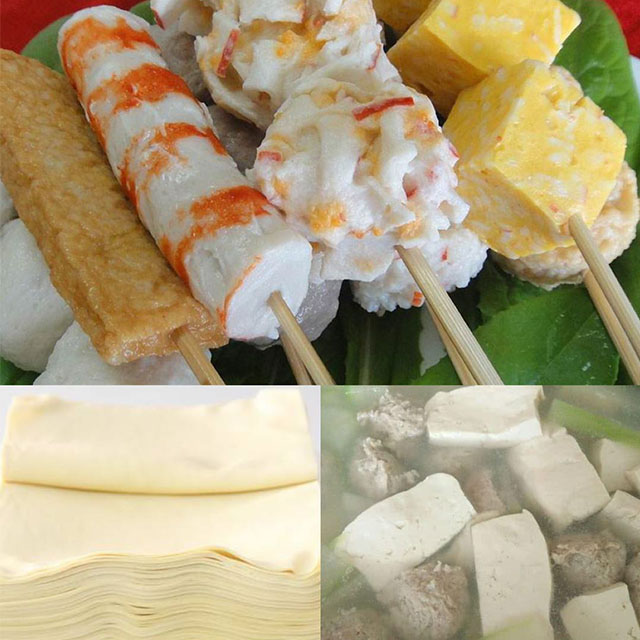
In commercial tofu manufacturing, water holding capacity, known in the industry as WHC, is just as critical as gel strength. It directly impacts the sensory experience for the consumer and the economic viability for the producer.
Water holding capacity refers to the ability of a protein matrix to retain water against external pressures, such as gravity, cutting, or mechanical pressing. In a well-structured tofu batch, the protein gel acts like a microscopic sponge. The hydrophilic, water-attracting amino acid residues bind to water molecules, while the physical structure of the gel physically traps moisture within its microscopic pores.
Integrating high-quality isolate mitigates syneresis, the technical term for the weeping or pooling of liquid that often occurs when tofu is packaged and stored. Syneresis happens when the protein network continues to contract over time, squeezing water out of the matrix. Because SPI possesses exceptional solubility and emulsifying properties, it creates a much finer, more uniform micro-network compared to raw soybeans alone. Smaller, evenly distributed pores within the gel trap water more tightly via capillary action. As a result, the moisture remains locked inside the tofu block rather than leaking into the retail packaging.
From an operational standpoint, water retention ties directly to profitability. Tofu is sold by weight. If a batch loses 10 percent of its moisture during pressing and packaging, the manufacturer loses 10 percent of their sellable yield. By utilizing SPI to maximize WHC, producers retain more moisture per batch, thereby increasing total yield. Furthermore, consumers prefer tofu that remains juicy and fresh upon cooking, making moisture retention a key driver of repeat purchases.
While standard isolates offer baseline improvements, specific industrial grades are calibrated for optimal performance in structured soy foods. Navigating these specifications is vital for scaling up production lines effectively.
For manufacturers seeking precise textural control, utilizing a standardized grade like 9003B Soy Protein Isolate provides measurable advantages on the factory floor. This specific formulation guarantees a protein content of at least 90 percent and is defined by its high viscosity and exceptional gel-forming parameters. Beyond structural benefits, it undergoes advanced processing to ensure a highly neutral flavor profile. Raw soybeans often impart a bitter, beany off-note due to lipoxygenase enzymes. High-grade isolates neutralize these enzymes, resulting in a clean-tasting protein base. Additionally, its light, neutral color ensures that the visual appeal of premium white tofu remains completely uncompromised.
Because of its strong cross-linking capabilities, this grade is particularly suited for applications requiring robust structural integrity. It serves as an ideal supplement for extra-firm tofu, pressed dried tofu, and frozen tofu. Beyond traditional applications, its unique ability to mimic the resilient, chewy bite of muscle fibers makes it highly valuable in the rapidly expanding production of modern plant-based meat alternatives and vegetarian structured proteins.
Relying exclusively on whole soybeans is a traditional method, yet it presents distinct challenges when scaling up for commercial distribution. A comparative analysis highlights why supplementation has become an industry standard.
Soybeans are an agricultural product. Their composition is entirely dependent on environmental factors. Soil quality, rainfall, temperature fluctuations, and harvest timing all dictate the final protein-to-lipid ratio of the crop. A batch of soybeans harvested in the fall may yield a significantly different gel strength than a batch sourced from a different region in the spring.
Adding soy protein isolate acts as a standardized insurance policy against these agricultural variables. By measuring the protein content of the raw soy milk and supplementing it with a precise percentage of SPI, food technologists lock in a consistent formulation. This strategic move ensures uniform product quality year-round, regardless of the supply chain's natural fluctuations.
In addition to functional benefits, fortifying soy milk with SPI significantly upgrades the nutritional density of the final product. As consumer demand for high-protein diets and plant-based nutrition grows, offering a tofu product with an elevated protein content serves as a strong market differentiator. Manufacturers can effectively boost the protein grams per serving without increasing the fat or carbohydrate content, appealing directly to health-conscious demographics.
Transitioning from traditional soybean processing to an advanced formulation requires engineering precision. When standardizing commercial production, integrating Tofu & Vegetarian Type Isolated Soy Protein into your existing manufacturing line involves three critical phases: hydration, denaturation, and coagulation. Overlooking the specific parameters in any of these steps easily compromises the structural integrity of the final product.
Achieving complete hydration is the foundational step. Dumping highly concentrated protein powder directly into cold water creates stubborn clumps. The dry interior remains shielded by a sticky, wet outer layer. This physical barrier prevents the proteins from interacting with the surrounding aqueous phase. To bypass this frustrating issue on the factory floor, operators must deploy high-shear inline mixers. Dispersing the powder gradually into water held at a mild 20 to 30 degrees Celsius prevents premature swelling.
For commercial applications, manufacturers typically do not replace raw soybeans entirely. Instead, they supplement the soy milk base. For delicate silken tofu, a 2 to 5 percent supplementation is sufficient. However, for sturdy block tofu or extra-firm varieties, operators often supplement between 10 and 20 percent of the total protein content with the isolate.
Once the isolate is fully hydrated and blended seamlessly with the extracted soy milk, the mixture must undergo thermal processing. Native soy proteins are tightly folded. Heating the mixture to temperatures between 85 and 95 degrees Celsius for a duration of 5 to 10 minutes provides the thermal energy required to unfold these proteins, exposing reactive binding sites.
Maintaining a consistent holding time is vital. Under-heating results in incomplete denaturation, leading to a weak, fragile gel. Conversely, boiling the mixture vigorously for extended periods causes the proteins to aggregate prematurely, diminishing their emulsifying capacity and reducing the final product yield.
Because the isolate increases the total protein density of the liquid, the coagulation phase must be carefully recalibrated. A higher concentration of protein typically requires a proportional adjustment in the volume of coagulant used. A general rule of thumb in food engineering suggests that a 10 percent increase in total protein concentration may require a 5 to 8 percent increase in coagulant. Food technologists should conduct small-scale titration tests to determine the precise coagulant ratio. Failing to adjust this leaves unreacted proteins in the whey, resulting in a softer-than-desired texture.
Even with automated systems, biological variations in raw materials and minor processing deviations lead to textural defects. Understanding the underlying chemistry allows production managers to diagnose and resolve these issues efficiently.
A crumbly texture is one of the most frequent complaints in commercial tofu production. When tofu fractures easily and lacks sliceability, it indicates a fundamental failure within the protein network. By utilizing a standardized ingredient like 9003B Soy Protein Isolate, manufacturers eliminate many crop variables, but operational troubleshooting remains necessary.
From a structural perspective, a crumbly gel occurs when the protein cross-links are too sparse or unevenly distributed. This often happens if an excessive amount of coagulant is applied, forcing the proteins to aggregate too rapidly and chaotically. Instead of forming an orderly web, the proteins clump into isolated pockets. To resolve this, operators must incrementally reduce the coagulant dosage and ensure the mixing paddles distribute the salts evenly.
If the tofu feels excessively spongy or releases too much water upon slight pressure, the water holding capacity of the gel has been compromised. A spongy texture is directly related to poor hydration or excessive mechanical force. If the isolate was not fully hydrated before heating, microscopic dry pockets disrupt the moisture-binding process. Alternatively, applying too much mechanical pressure during the forming stage physically crushes the delicate protein network, squeezing out water that should remain trapped. Calibrating the pneumatic press settings to apply gradual, consistent pressure helps maintain structural integrity while achieving the targeted moisture level.
Controlling texture and moisture is the defining challenge of commercial tofu manufacturing. As observational data and modern industry practices demonstrate, utilizing soy protein isolate serves as a highly effective, scientifically backed solution. By fundamentally reinforcing the protein matrix, SPI enhances gel strength, prevents syneresis, and standardizes production yields against the unpredictable nature of raw agricultural crops.
For commercial producers aiming to scale operations without compromising quality, prioritizing the right functional ingredients is essential. Selecting a specialized grade designed specifically for structured foods is the most reliable path to producing premium, high-yield tofu and plant-based alternatives. We encourage food technologists and production managers to evaluate current formulations and consult with food science experts. Visit Xinrui Group to explore specialized isolates and find the exact product match to achieve superior textural stability and economic efficiency in your facility.
Yes, it is scientifically possible to create a soy protein gel using only isolated soy protein, water, and a suitable coagulant. However, from a culinary and commercial standpoint, 100 percent isolate gels are rarely sold as traditional tofu. Raw soybeans contain natural lipids and carbohydrates that contribute to the opaque color, creamy mouthfeel, and traditional flavor profile. A gel made entirely from isolate tends to be highly translucent, extremely rubbery, and lacks the rich, fatty mouthfeel consumers expect. Industry best practice involves blending the isolate with natural soy milk to achieve the perfect balance of standardized texture and authentic sensory characteristics.
When using premium, food-grade isolates designed specifically for vegetarian applications, the impact on taste is negligible to positive. Historically, raw soybeans contain an enzyme called lipoxygenase, which catalyzes the oxidation of fatty acids, producing volatile compounds responsible for distinct beany or bitter off-flavors. High-quality isolates undergo rigorous isoelectric washing and thermal processing, which inactivates lipoxygenase and removes these flavor compounds. The isolate presents a highly neutral flavor profile, allowing the natural, clean taste of the primary soy milk to dominate.
The release of water after packaging is known as syneresis. It occurs when the protein network inside the tofu continues to contract, physically squeezing moisture out of the microscopic pores. Adding a specialized soy protein isolate improves the water holding capacity of the gel. The isolate creates a denser, more uniform structural network that binds water molecules more tightly through capillary action, significantly reducing moisture loss during storage and extending the visual appeal on the retail shelf.
Soy protein isolate contains a minimum of 90 percent protein and undergoes extensive processing to remove nearly all non-protein components. This makes it highly functional for forming strong, elastic gels. Soy protein concentrate typically contains around 70 percent protein and retains a higher amount of dietary fiber and carbohydrates. In tofu manufacturing, the higher fiber content in concentrates can disrupt the smooth protein network, leading to a weaker, grainier texture. Isolate is the preferred choice for structural integrity and smooth mouthfeel.
Incorporating a high-quality isolate positively influences the shelf life and physical stability of packaged tofu. Shelf life in high-moisture foods is heavily dependent on water activity and physical degradation over time. Because specialized isolates possess superior water holding capacity, they bind moisture tightly within the protein matrix. This significantly reduces weeping inside the retail packaging. By preventing excess free water from pooling on the surface, the product maintains its structural integrity longer and presents a less favorable environment for rapid surface spoilage.
The genetic status of the isolate depends entirely on the raw material sourcing of the specific manufacturer. Many leading global suppliers recognize the high consumer demand for non-GMO clean-label products, particularly in the vegetarian and vegan markets. Consequently, they offer specific product lines manufactured exclusively from Identity Preserved, or IP, non-GMO soybeans. When formulating a product that requires non-GMO certification, food manufacturers must request the exact technical data sheets and certificates of analysis from their supplier to verify the sourcing protocols used for that specific batch.
There is no single universal ratio, as the optimal percentage depends on the natural protein fluctuations of the seasonal soybean supply and the targeted firmness of the end product. Industry standards typically dictate replacing or supplementing 5 to 15 percent of the total protein base with the isolate. For delicate silken tofu, a lower addition rate of 2 to 5 percent is sufficient to stabilize the gel without making it rubbery. For extra-firm block tofu or dried vegetarian meat alternatives, manufacturers may push the ratio to 15 or even 20 percent. This higher concentration maximizes the density of the globulin cross-links, providing the chewy, resilient bite required for those specific applications.

 English
 简体中文
简体中文