Views: 0 Author: Site Editor Publish Time: 2026-08-26 Origin: Site


The plant-based sports nutrition market is expanding rapidly, but formulators and athletes face a saturated landscape of novel plant proteins, often overlooking one of the most clinically studied options available. Developing a premium sports nutrition product requires balancing anabolic efficacy, sensory experience, and unit economics. Many alternative proteins fail on amino acid completeness, formulation stability, or cost-efficiency, leaving product developers searching for reliable foundational ingredients.
This guide provides an evidence-based technical evaluation of Soy Protein Isolate, analyzing its amino acid profile, formulation realities, and commercial viability. We will determine its exact fit within a modern sports nutrition portfolio, moving past marketing hype to focus on raw performance metrics, manufacturing behavior, and actual physiological outcomes for athletes.
Complete Amino Acid Profile: Soy protein isolate is one of the few plant-based sources offering a complete essential amino acid (EAA) profile with sufficient leucine to trigger muscle protein synthesis.
Formulation Superiority: Highly refined isolates offer superior solubility, lower viscosity, and a more neutral flavor profile compared to concentrates, making them ideal for Ready-to-Drink (RTD) and powdered applications.
Cost-to-Efficacy Ratio: SPI provides a highly stable, cost-effective alternative to volatile dairy proteins, improving margin structures for sports nutrition brands.
Evidence Over Myth: Current clinical consensus refutes historical concerns regarding phytoestrogens and testosterone suppression in male athletes, clearing the path for broader demographic adoption.
Establishing the baseline requirements for any protein source entering the sports nutrition space demands objective, measurable metrics. Formulators cannot rely on trending ingredients if those ingredients fail to deliver physiological results. The primary function of a sports supplement is to facilitate recovery and adaptation following physical training. This requires a specific nutritional profile and predictable behavior during the manufacturing process.
Anabolic potential serves as the primary gatekeeper. A protein must contain adequate levels of essential amino acids, specifically the branched-chain amino acid leucine. Leucine acts as the metabolic trigger for the mechanistic target of rapamycin (mTOR) pathway, which initiates muscle protein synthesis. A standard serving must deliver between 2.5 and 3.0 grams of leucine to maximize this anabolic response. Proteins falling short of this threshold require larger serving sizes, which negatively impacts product cost, packaging size, and consumer experience.
Digestibility and bioavailability dictate how much of the ingested protein actually reaches systemic circulation. We utilize two primary scoring systems to evaluate this:
Protein Digestibility-Corrected Amino Acid Score (PDCAAS): The traditional industry standard that caps at 1.0. It evaluates protein quality based on human amino acid requirements and their ability to digest it.
Digestible Indispensable Amino Acid Score (DIAAS): A newer metric that measures amino acid digestibility at the end of the small intestine, providing a more accurate picture of absorption without capping at 1.0.
Gastric Emptying Rate: The speed at which the protein matrix breaks down in the stomach and enters the small intestine, affecting the rapid delivery of amino acids post-workout.
Application versatility determines whether the protein can survive the manufacturing floor. A highly anabolic protein is useless if it turns into an insoluble sludge when mixed with water or hardens into a brick within a protein bar matrix. Formulators evaluate stability, solubility, and sensory neutrality across various delivery formats. Ready-to-drink (RTD) beverages require low viscosity and high thermal stability to survive pasteurization. Powders demand rapid dispersion and minimal clumping. Bars require specific moisture-binding properties to maintain a soft texture over a twelve-month shelf life.
| Evaluation Metric | Target Threshold | Impact on Final Product |
|---|---|---|
| Leucine Content | >8% of total protein | Drives muscle protein synthesis and recovery. |
| PDCAAS Score | 0.90 - 1.00 | Ensures complete essential amino acid delivery. |
| Solubility Index | >85% in ambient water | Prevents grittiness in powders and RTDs. |
| Thermal Stability | Stable at 140°C (UHT) | Allows for liquid beverage manufacturing. |
Understanding how this ingredient stacks up against industry standards requires a detailed breakdown of its amino acid profile. It delivers a robust concentration of essential amino acids (EAAs) and branched-chain amino acids (BCAAs). When comparing leucine, isoleucine, and valine levels, it competes closely with whey protein and significantly outperforms many pea and rice blends. This completeness eliminates the need for formulators to blend multiple plant sources to achieve a viable amino acid profile, simplifying the supply chain and reducing batch-to-batch variability.
Despite possessing superior BCAA, EAA, and leucine concentrations compared to pea and rice proteins, it has taken a backseat in some modern marketing campaigns. This paradox is largely driven by consumer trends rather than nutritional science. The rise of "allergen-free" marketing pushed formulators toward novel plant sources, even when those sources offered inferior nutritional profiles and challenging organoleptic properties. From a strict biochemical perspective, abandoning a complete protein source for incomplete alternatives compromises the efficacy of the final product.
Analyzing the PDCAAS score of 1.0 places it on par with dairy and egg proteins. While DIAAS metrics highlight some limitations compared to isolated whey, real-world absorption rates in active individuals confirm its efficacy. Clinical data on post-exercise recovery and long-term muscle adaptations shows that it effectively supports muscle protein synthesis. Specific intake recommendations for athletes typically target 30 to 40 grams per serving. This dosage ensures the leucine threshold is met, matching the muscular adaptations typically associated with dairy proteins.
Beyond amino acids, the natural micronutrient profile provides distinct performance benefits. The isolation process retains valuable minerals that support athletic performance. It delivers naturally occurring calcium, iron, magnesium, and zinc. These minerals support bone health, oxygen transport, cellular energy production, and metabolic recovery. Formulators can leverage this inherent mineral content to reduce the need for synthetic vitamin and mineral premixes, cleaning up the ingredient label.
| Amino Acid | Soy Isolate | Whey Isolate | Pea Isolate |
|---|---|---|---|
| Leucine (g) | 8.2 | 10.5 | 6.7 |
| Isoleucine (g) | 4.9 | 6.3 | 4.3 |
| Valine (g) | 5.0 | 5.8 | 4.7 |
| Total BCAAs (g) | 18.1 | 22.6 | 15.7 |
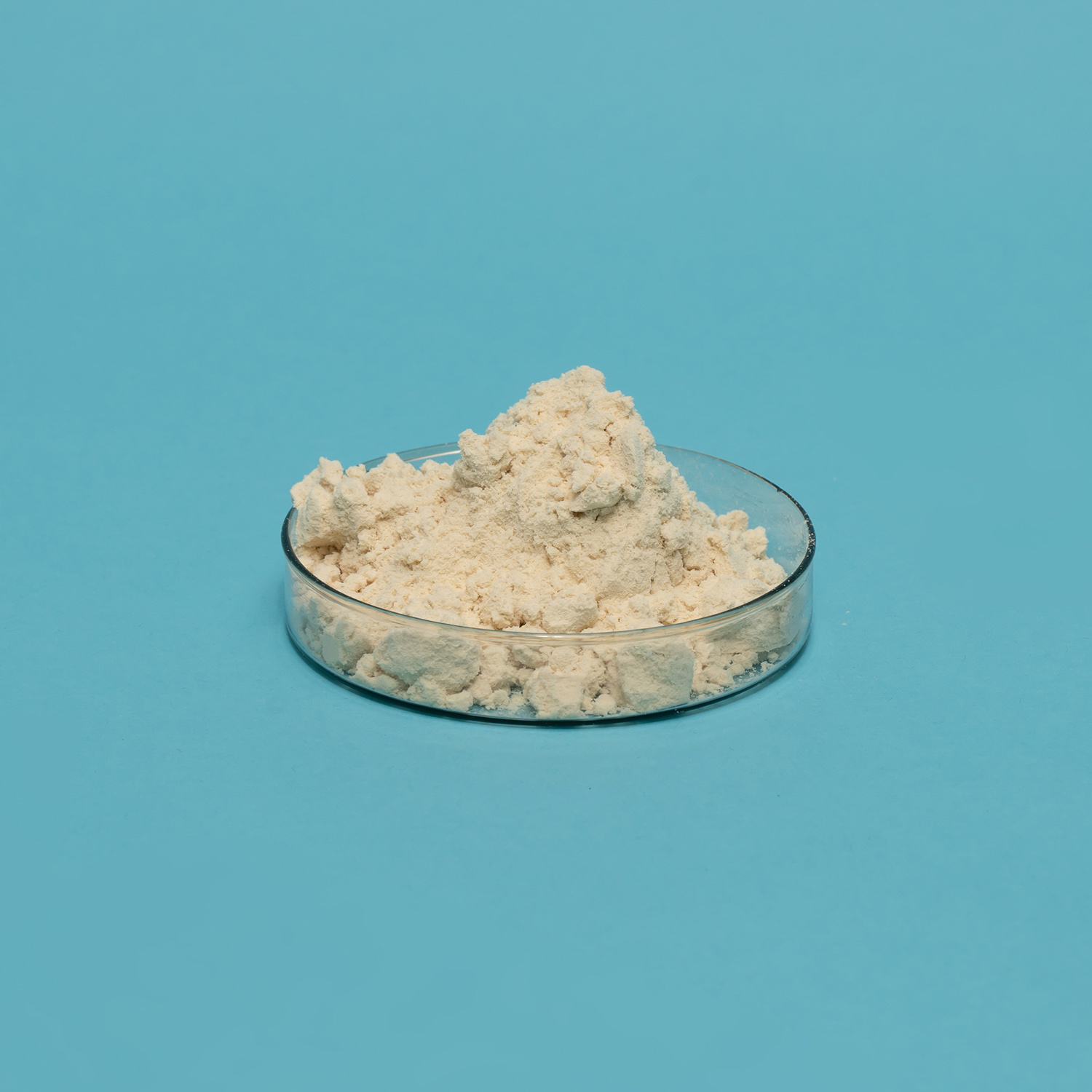
Working with this ingredient on the manufacturing floor involves navigating specific physical realities. The level of refinement directly dictates functionality. Isolates, typically containing 90% protein by dry weight, succeed where concentrates fail in sports formulations. The isolation process removes the majority of non-structural carbohydrates and fiber. This high refinement level significantly improves functionality, reducing gastrointestinal distress for the end-user and providing a cleaner canvas for flavor chemists.
Managing hydration rates in powdered supplements and mitigating chalkiness in liquid suspensions are primary concerns during product development. It offers excellent solubility and low viscosity, making it highly suitable for RTD applications. When formulating a powdered Sports Nutrition Protein, agglomeration techniques can further enhance dispersibility, ensuring the consumer does not experience clumping in their shaker cup.
Addressing the inherent earthy or "beany" off-notes requires strategic flavor masking. You cannot simply apply a standard whey flavor system to a plant base and expect a good result. Best practices involve pairing the base with robust flavor systems that complement its natural profile. Chocolate, caramel, peanut butter, and dark berry flavors tend to perform best. Formulators often utilize specific masking agents to neutralize astringency before applying the primary flavor top-notes.
It demonstrates strong thermal stability during extrusion for protein bars and Ultra-High Temperature (UHT) processing for beverages. This matrix versatility allows formulators to expand applications beyond traditional powders. In bar manufacturing, it provides structure and chewiness without causing premature hardening over the product's shelf life. In RTDs, it withstands the high heat of pasteurization without denaturing and falling out of suspension, ensuring a smooth mouthfeel from the first sip to the last.
Hydration Testing: Always test dispersion rates in cold water, as athletes rarely use room-temperature liquids.
Viscosity Mapping: Measure the thickness of the solution over a 24-hour period to ensure it does not gel in the bottle.
Flavor Layering: Apply a bitterness masker first, followed by the primary flavor, and finish with a sweetness enhancer to round out the profile.
Thermal Stress Testing: Subject RTD prototypes to accelerated aging at elevated temperatures to check for protein precipitation.
Navigating the marketing and legal landscape involves leveraging established health claims. The FDA-approved claim regarding its role in cholesterol reduction and the reduction of coronary heart disease risk provides a significant marketing advantage. This claim strongly differentiates it from pea, rice, and hemp proteins on retail packaging. Brands can position their products not just for muscle recovery, but for overall cardiovascular health, appealing to an older demographic of active adults.
Addressing the phytoestrogen debate requires a firm reliance on clinical data. For years, misinformation regarding isoflavones has deterred male athletes from utilizing this protein source. Evidence-based rebuttals consistently dispel the myth of testosterone suppression or estrogenic effects. Extensive meta-analyses of clinical trials show that consumption does not alter bioavailable testosterone or estrogen levels in men. Educating the consumer through transparent marketing and citing peer-reviewed research is necessary to overcome these lingering objections.
Managing the reality of major allergens necessitates strict compliance with the Food Allergen Labeling and Consumer Protection Act (FALCPA). Facilities must implement rigorous sanitation standard operating procedures (SSOPs) to prevent cross-contamination if they also process non-allergen products. Clear, prominent labeling is non-negotiable to protect consumer safety and brand liability.
Securing Identity Preserved (IP) Non-GMO sourcing is critical to meet modern consumer expectations. The sports nutrition market heavily favors clean-label products. Utilizing IP Non-GMO sources ensures traceability from the farm to the final tub. This level of transparency builds brand trust and justifies a premium retail position, offsetting the slightly higher raw material costs associated with identity preservation.
The business case for integrating this ingredient into a sports nutrition line centers on predictability and scale. It offers a highly stable cost structure compared to the historical price fluctuations of whey and casein. Dairy proteins are subject to complex global commodities markets, weather patterns affecting milk yields, and shifting international trade policies. This volatility makes long-term financial forecasting difficult for supplement brands. Plant-based alternatives provide a more consistent baseline for cost of goods sold (COGS).
The globally established agricultural infrastructure provides a mature, resilient supply chain. Unlike emerging plant protein sources like pumpkin seed, watermelon seed, or even pea, the processing infrastructure for this crop has been optimized over decades. This maturity guarantees consistent particle size, flavor profile, and protein yield batch after batch. Brands scaling from regional distribution to national retail cannot afford supply shortages or inconsistent raw materials.
Replacing or blending dairy proteins in high-volume SKUs significantly improves margin structures. Formulators often create hybrid blends, combining dairy and plant sources to optimize the amino acid profile while driving down the overall formula cost. This strategy allows brands to maintain high protein claims on the nutritional panel while protecting their bottom line. The potential return on investment makes it an attractive option for scaling operations, funding further product development, and increasing marketing spend.
Furthermore, the environmental footprint appeals to the growing segment of eco-conscious consumers. The water and land usage required to produce one kilogram of plant isolate is substantially lower than that required for dairy proteins. Brands can leverage this sustainability metric in their corporate social responsibility (CSR) reporting and consumer-facing marketing, adding another layer of value beyond basic nutritional efficacy.
Request 90% isolate samples to evaluate baseline solubility and sensory characteristics in your specific application format.
Conduct sensory panel testing utilizing robust flavor masking systems tailored to earthy and astringent base notes.
Run pilot extrusion and solubility tests to confirm matrix stability under thermal and mechanical stress.
Secure Identity Preserved Non-GMO supply chains to align with clean-label consumer preferences and ensure traceability.
A: Yes, when dosed correctly. While whey has a slightly higher leucine concentration, consuming an adequate total dose of soy protein isolate (typically 30-40g) provides sufficient essential amino acids to maximize muscle protein synthesis and promote equivalent training adaptations.
A: Soy protein isolate is highly refined to contain at least 90% protein by dry weight, with most fats and carbohydrates removed. Concentrate contains roughly 70% protein, retains more fiber, and has higher digestibility in whole-food applications like nutrition bars, cereals, and yogurts, whereas isolate is superior for rapid digestion and smooth suspension in drinks.
A: Extensive clinical meta-analyses have demonstrated that the isoflavones in soy protein do not lower testosterone levels or increase estrogen levels in men, making it entirely safe and highly effective for male athletes.
A: The shift was largely driven by marketing trends favoring "allergen-free" labels and lingering, scientifically debunked myths regarding phytoestrogens. From a strict nutritional and chemical standpoint, soy protein isolate remains superior to most other plant proteins.
A: High-quality isolates have a relatively neutral profile but can exhibit slight earthy or "beany" notes. They offer excellent solubility and a smoother mouthfeel compared to many other plant proteins, though they require specific flavor-masking techniques in raw powders.
A: Beyond its amino acid profile, soy protein isolate serves as a dietary source of essential minerals like calcium, iron, magnesium, and zinc, which play crucial roles in bone health, oxygen transport, cellular energy production, and muscle recovery.
A: Yes. Soy is one of the few plant sources that contains all nine essential amino acids in adequate proportions, earning a PDCAAS score of 1.0, which is the highest possible rating for protein quality.

 English
 简体中文
简体中文