Views: 0 Author: Site Editor Publish Time: 2026-11-11 Origin: Site


Do your meatless burgers crumble the second they hit the grill? You are likely left with a skillet full of sad rubble. This is an incredibly common frustration for culinary developers. Achieving that satisfying, chewy Bite mimicking traditional ground beef remains the single biggest hurdle in meat-free engineering.
The structural backbone used by production engineers is high-quality extruded soy. Handled with strict scientific precision, this ingredient provides the essential framework for a firm and cohesive product. By mastering the interplay between moisture management and thermal binding, you can transform dry granules into a culinary masterpiece capable of surviving intense barbecue heat.
To grasp why this specific material outperforms other alternatives, we must examine its physical properties. It is essentially defatted soy flour subjected to high-pressure extrusion. This manufacturing phase creates a porous, sponge-like matrix. The resulting cellular structure closely resembles animal muscle tissue.
Furthermore, current market analysis reveals a massive shift in consumer behavior toward "flexitarian" eating. Shoppers are rapidly moving away from hyper-processed items loaded with unrecognizable chemical fillers. They demand cleaner labels and functional nutrition. Consequently, food manufacturers are returning to single-ingredient extrusion proteins. These materials offer recognizable plant nutrition while acting as a perfect blank canvas. They readily absorb savory aromatics like liquid smoke, mushroom umami, or toasted spices.
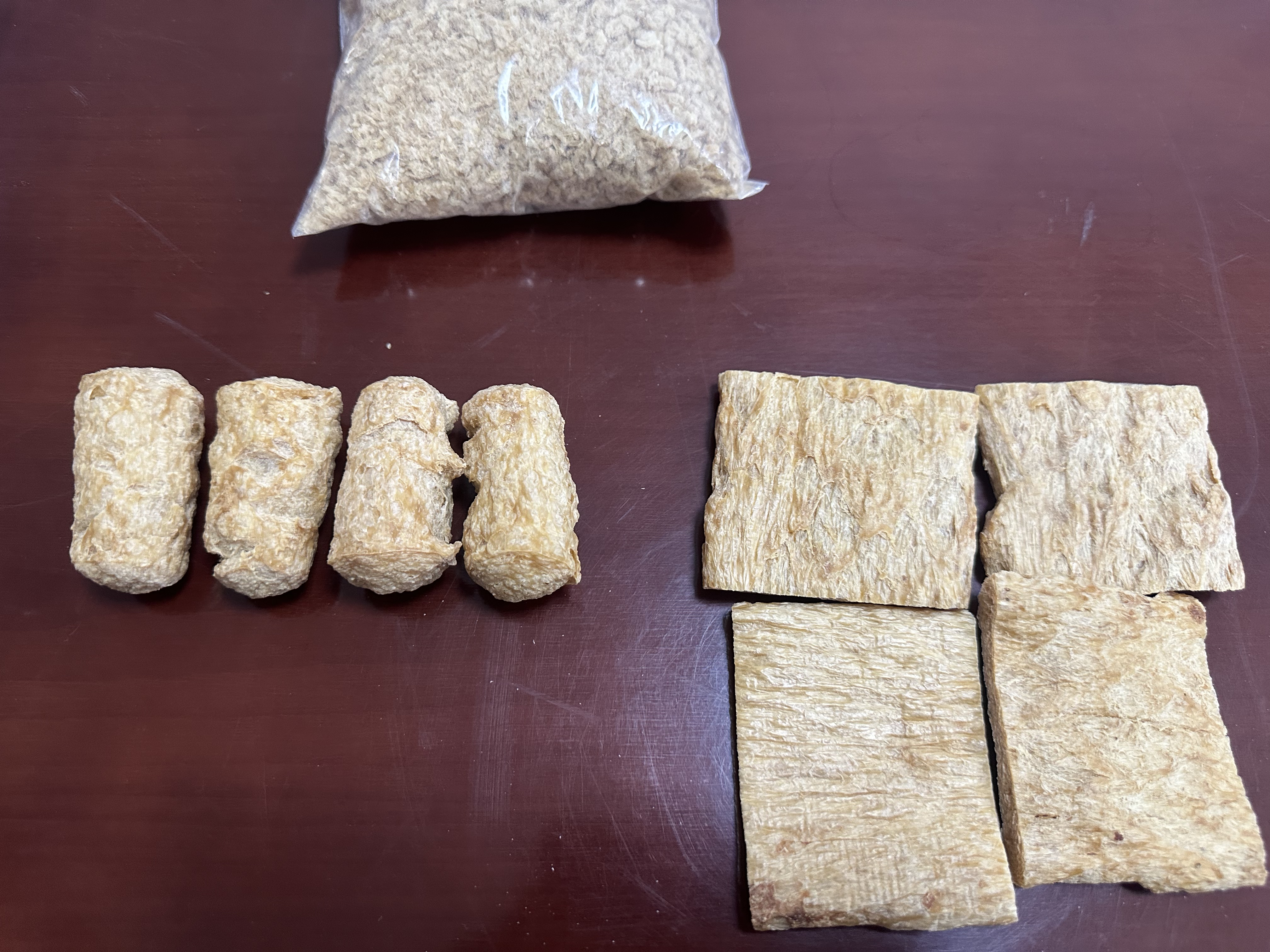
That distinct meat-like sensation is no accident. It stems directly from thermoplastic extrusion. Intense heat and mechanical shear force the globular proteins to denature. They realign into parallel, cross-linked strands. Upon rapid depressurization, a unique fibrous architecture forms. This gives your teeth the exact physical resistance they expect.
Producers now focus heavily on texture engineering. We design products replicating the specific shear force and elasticity of animal tissues. This granular engineering prevents the dreaded mushy mouthfeel plaguing low-tier vegan alternatives.
Particle size dictates overall structural integrity. Using fine powder creates a dense paste. Oversized chunks lead to immediate collapse during cooking. As a food engineer, I always recommend matching the physical specifications to your end product. For a standard hamburger, you need a precise Textured Soy Protein specification to replicate the classic butcher grind.
| Specification | Protein Content | Moisture Level | Best Application |
|---|---|---|---|
| 1-3mm Granules | ≥ 50% | ≤ 8% | Standard beef-style patties, meatballs |
| 3-5mm Minced | ≥ 50% | ≤ 8% | Coarse sausages, hybrid meat blends |
| Fine Flakes | ≥ 52% | ≤ 8% | Nugget fillers, smooth emulsion textures |
Notice that the protein content remains consistently high while maintaining raw moisture under eight percent. This ensures a stable shelf life and predictable expansion during the hydration phase.
Before firing up the grill, your base must be properly reconstituted. Think of Rehydration as pouring the concrete foundation for a building. A faulty base means the entire structure will fail under thermal stress.
Balance is critical here. Granules soaking up too much liquid become slippery and refuse to bind. Too little liquid leaves the core tough and unpalatable. A standard industrial rule is a one-to-three ratio by weight using hot liquid. Hot broth accelerates absorption. Specifically, it forces savory flavors deep into the cellular core. Your patty will taste rich throughout, rather than just on the seared crust.
Hydrated soy lacks the natural sticky myosin protein found in raw beef. Without intervention, it falls apart upon contact with a spatula. External binders serve as the culinary glue for your Plant Based Patty.
In high-end manufacturing, methylcellulose leads the industry. It exhibits a unique property called thermal gelation. It transforms into a rigid gel when heated. This completely prevents shrinking or fracturing over an open flame.
For a more natural approach, combining vital wheat gluten with potato starch works exceptionally well. Gluten develops a stretchy, muscle-like network when kneaded. Starch fills the microscopic gaps. This combination ensures the final bite remains tender rather than rubbery.
Even brilliantly constructed patties fail if they lack juiciness. Traditional beef fat melts gradually to baste interior fibers. You must replicate this mechanism using solid plant fats like refined coconut oil or cocoa butter.
Liquid oils run out immediately. In contrast, solid fats remain trapped inside the emulsion network at room temperature. As the internal temperature rises on the skillet, these fats melt slowly. This precise melting point delivers a succulent mouthfeel that makes the eating experience truly indulgent.
Still facing a crumbly mess? Do not be discouraged. The culprit is usually over-processing or impatience.
If the mixture feels excessively wet, physically squeeze it using cheesecloth. Removing unabsorbed water is non-negotiable for a proper sear. Additionally, resting is vital. Place formed patties in a cold environment for at least thirty minutes. This allows starches to hydrate fully and fats to solidify. Finally, never blend the entire batch into a puree. Maintain granular integrity for a realistic, meaty eating experience.
Achieving the ultimate Burger Texture requires balancing precise hydration, intelligent binding, and strategic fat integration. Food science takes the guesswork out of the kitchen. Whether scaling up a retail production line or perfecting a restaurant menu, treating your recipe as an engineered system guarantees success. Ready to upgrade your manufacturing process? Selecting the right raw materials is your first step. Explore high-quality, stable protein options from Xinrui Group to find the exact specifications suited for your next culinary breakthrough.
Yes. The latter is a trademarked term that became a generic industry name over time. Both refer to defatted soy flour processed via high-temperature extrusion to achieve a fibrous quality.
Mushiness stems from excess water. Strictly measure your hydration ratios. Always press out unabsorbed liquid before introducing any dry binders or fats.
Methylcellulose leads the industry due to its unique thermal gelation properties. Vital wheat gluten paired with potato starch offers an excellent clean-label alternative for those avoiding hydrocolloids.
Absolutely. Incorporate solid fats and enforce a cold-setting period in the refrigerator. This stabilizes the internal structure before it hits high heat.
Treat it exactly like raw ground meat. Keep it in a sealed container in the coldest section of your refrigerator for three to four days, or freeze it for long-term storage.
No. Rehydrating with boiling water or hot broth is sufficient to soften the extruded fibers. The actual cooking phase happens when you fry or grill the formed patty.
Shrinkage occurs when moisture evaporates rapidly without a strong binder to hold the matrix together. Using a thermal-gelling binder and trapping moisture with solid fats prevents this volume loss.

 English
 简体中文