Views: 0 Author: Site Editor Publish Time: 2026-05-08 Origin: Site


Soy Protein Isolated is recognized as the leading plant protein for meat alternatives, playing a crucial role in the global market. It holds a substantial 57.47% share among all protein sources used for meat alternatives. Here’s how the main plant proteins compare:
Protein Source | Market Share (%) | Growth Outlook |
|---|---|---|
Soy Protein Isolated | 57.47 | Major share expected |
Pea Protein | 41.0 | Significant growth |
Wheat Gluten | 10.0 | Moderate growth |
Xinrui Group stands out as a top provider, offering premium Soy Protein Isolated and Wheat Gluten. Soy Protein Isolated excels in texture, nutrition, and versatility across a wide range of foods. Each plant protein, including Wheat Gluten, brings unique advantages to meet diverse dietary and product needs.
Soy protein isolate is the best pick for meat alternatives. It has more than 90% protein. It also gives a great texture.
Wheat gluten makes food chewy. It works well for seitan and other meat substitutes.
Pea protein does not have gluten. It is easy to digest. It is also good for the environment.
Think about food allergies when picking plant proteins. Some can cause allergic reactions.
Always choose high-quality, non-GMO plant proteins. This helps keep food safe and good for the planet.
It is important to look at plant protein sources before picking one for meat alternatives. The table below helps you see how soy protein isolated, wheat gluten, pea protein, and mycoprotein compare in different ways.
Protein Source | Taste | Texture | Nutrition (Protein Content) | Versatility | Allergenicity |
|---|---|---|---|---|---|
Soy Protein Isolated | Mild, neutral | Excellent, firm | ≥90% (complete amino acids) | High | Soy allergen risk |
Wheat Gluten | Savory, earthy | Chewy, elastic | 75–80% | High | Wheat allergen risk |
Pea Protein | Mild, grassy | Soft, less firm | Moderate | ||
Mycoprotein | Umami, rich | Fibrous, meat-like | 45–50% | Moderate | Low |
Xinrui Group’s soy protein isolated and wheat gluten are known for high protein and many uses. Soy protein isolated works well in sausages, meatballs, and vegetarian foods. Wheat gluten is good for bread, noodles, and meat alternatives.
There are a few things to think about when picking plant protein for meat alternatives:
Taste: Soy protein isolated does not have a strong flavor, so it is easy to add spices. Wheat gluten tastes savory. Pea protein has a mild, grassy flavor. Mycoprotein has a rich, umami taste.
Texture: Soy protein isolated makes food firm. Wheat gluten gives a chewy feel. Pea protein is softer. Mycoprotein feels like meat fibers.
Nutrition: Soy protein isolated has all the amino acids and lots of protein. Wheat gluten also has a lot of protein. Pea protein gives iron and magnesium.
Versatility: Soy protein isolated can be used in many recipes. Wheat gluten is great for baking and meat alternatives. Pea protein and mycoprotein are best for certain foods.
Allergens: Some plant proteins, like soy, wheat, and pea, can cause allergies. Soy protein isolated has certain allergens. Wheat gluten can cause strong reactions in some people. Pea protein may cause allergies, especially if you are allergic to peanuts.
Studies show soy protein isolated gives a great texture in meat alternatives, especially with hydrocolloids. But adding seasoning is still important for taste. Xinrui Group’s plant protein products give steady quality and work well in your foods.
You want vegan meat to taste good and feel like real meat. Soy protein isolate from Xinrui Group helps you do this. This plant protein gives you lots of protein and all amino acids. You get at least 90% protein, which helps your muscles and keeps you full.
Xinrui Group uses non-GMO soybeans for soy protein isolate. You can trust each batch is safe and high quality. The product makes meat alternatives firm and nice to eat. It also keeps foods juicy and tasty by holding moisture and oil. Soy protein isolate mixes ingredients well in high-fat foods, so everything stays together.
Here is a quick look at how soy protein isolate works in different foods:
Application Area | Benefits | Notes |
|---|---|---|
Sausages | Makes texture better and keeps moisture | High protein, improves taste and quality |
Meat Balls | Helps mix fat and keeps products stable | Keeps fat in and makes quality better |
Quick Frozen Foods | Adds protein and makes more product | Works in many meat products |
Surimi Products | Gives gel and keeps water | Helps keep product strong during making |
Textured Soy Protein | Used in vegetarian foods for meat-like feel | Popular in vegan meat alternatives |
Dairy Products | Makes nutrition and texture better | Used in many foods |
Nutrition Foods | Adds protein and makes food feel good | Used in health foods |
Beverages | Adds protein to drinks | Used in shakes and health drinks |
Soy protein isolate fits many foods. It works in sausages, meatballs, vegetarian foods, and drinks. You get steady results and a product you can count on.
Studies show soy protein isolate makes great texture and mixes well. Scientists found soy proteins make sponge-like shapes and tight gels. These things help vegan meat feel and taste like real meat. Soy protein blends are stronger than pea protein blends, so your foods stay together better.
Performance Characteristic | Description |
|---|---|
Protein Content | At least 90% protein |
Versatility | Works in many meat and vegetarian foods |
Texture Improvement | Makes meat products feel better |
Moisture Retention | Keeps moisture and oil in processed foods |
Emulsification | Mixes fat well in high-fat meat products |
Tip: If you want vegan meat with a firm bite and juicy feel, soy protein isolate from Xinrui Group is a great choice.
Soy protein isolate is in many vegan meat products. People like soy because it is cheap, useful, and full of protein. Vegan burgers, sausages, meatballs, and nuggets often use soy protein isolate. These foods taste and feel like meat, so switching is easier.
Soy protein isolate leads the meat substitute market. By 2026, it should have a 57.47% market share. You see soy protein isolate in vegan burgers, which are very popular. Many brands use soy to make foods that look and taste like meat.
You can use soy protein isolate in frozen foods, surimi products, and protein shakes. It helps you get more protein in plant-based diets. You get a product that is healthy, nutritious, and good for the planet.
Note: When you pick soy protein isolate for vegan meat, you join a big trend. You help make foods that taste good, give nutrition, and help the earth.
If you want plant protein that feels like meat, wheat gluten is a good pick. Wheat gluten is also called seitan. It gives food a chewy and stretchy feel. This makes meat substitutes taste and feel more like real meat. Many cooks use wheat gluten because it stretches and holds food together. This is why it works well in vegan meals.
Wheat gluten has a lot of protein. It gives you 75–80% protein, which helps make strong meat substitutes. The protein in wheat gluten forms a network. This network copies the bite of meat. You can mix wheat gluten with other plant proteins to make texture better. Scientists say wheat gluten fixes texture problems by making food stretchy and firm.
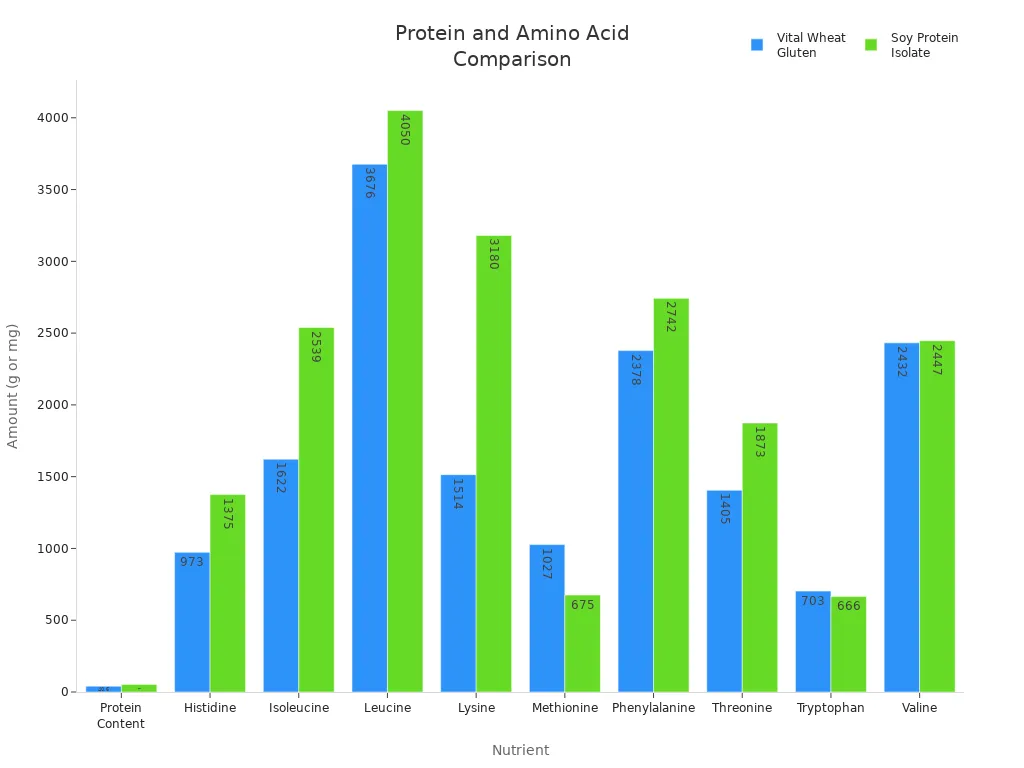
Here is a table that compares vital wheat gluten and soy protein isolate:
Nutrient | Vital Wheat Gluten | Soy Protein Isolate |
|---|---|---|
Protein Content (g) | 40.6 | 52.7 |
Histidine (mg) | 973 | 1375 |
Isoleucine (mg) | 1622 | 2539 |
Leucine (mg) | 3676 | 4050 |
Lysine (mg) | 1514 | 3180 |
Methionine (mg) | 1027 | 675 |
Phenylalanine (mg) | 2378 | 2742 |
Threonine (mg) | 1405 | 1873 |
Tryptophan (mg) | 703 | 666 |
Valine (mg) | 2432 | 2447 |
Wheat gluten can cause allergies. If you have wheat allergies or celiac disease, do not eat wheat gluten. Some people get very sick from it. Always check food labels before you eat meat substitutes.
Xinrui Group makes vital wheat gluten for high-quality meat substitutes. You can use it as seitan, mock duck, or wheat meat. This plant protein helps you make vegan foods that taste like duck, chicken, pork, beef, or seafood.
Wheat gluten is found in many vegan and vegetarian foods. More people want plant protein now. Flexitarian diets help people eat less meat and try new foods with lots of protein. Xinrui Group’s wheat gluten is important for making meat substitutes with the right feel and taste.
You can use Xinrui Group’s wheat gluten in:
Vegan sausages and burgers
Mock duck and wheat meat
Plant-based seafood
Meat substitutes for flexitarian diets
Wheat gluten helps you make tasty meals. You get protein, texture, and flavor that make plant foods better.
Tip: If you want meat substitutes that are chewy and full of protein, Xinrui Group’s wheat gluten is a great pick.
Pea protein is a top plant protein for meat alternatives. It has a mild taste and is easy to digest. You can add it to drinks, baked foods, and fake meats. It is good for people who need gluten-free or allergen-friendly protein.
Here is a table that compares pea protein, soy protein isolate, and wheat gluten:
Feature | Pea Protein | Soy Protein Isolate | Wheat Gluten |
|---|---|---|---|
Hypoallergenic | Yes | Potential allergen | No (contains gluten) |
Gluten-Free | Yes | No | No |
Complete Protein | No (low methionine) | Yes | No |
Digestibility | Easier to digest | Can cause discomfort | N/A |
Iron Content | Rich (5-7.5 mg) | N/A | N/A |
Taste/Texture | Neutral | Stronger flavor | N/A |
Pea protein uses less water and fertilizer than soy. It helps the soil and fits well in crop rotation. Choosing pea protein is better for the earth. Pea protein now has a 41% share in plant-based protein sources. It gives you a mild, allergen-free choice for meat alternatives.
Tip: If you want gluten-free and allergen-friendly protein, pea protein is a smart and eco-friendly pick.
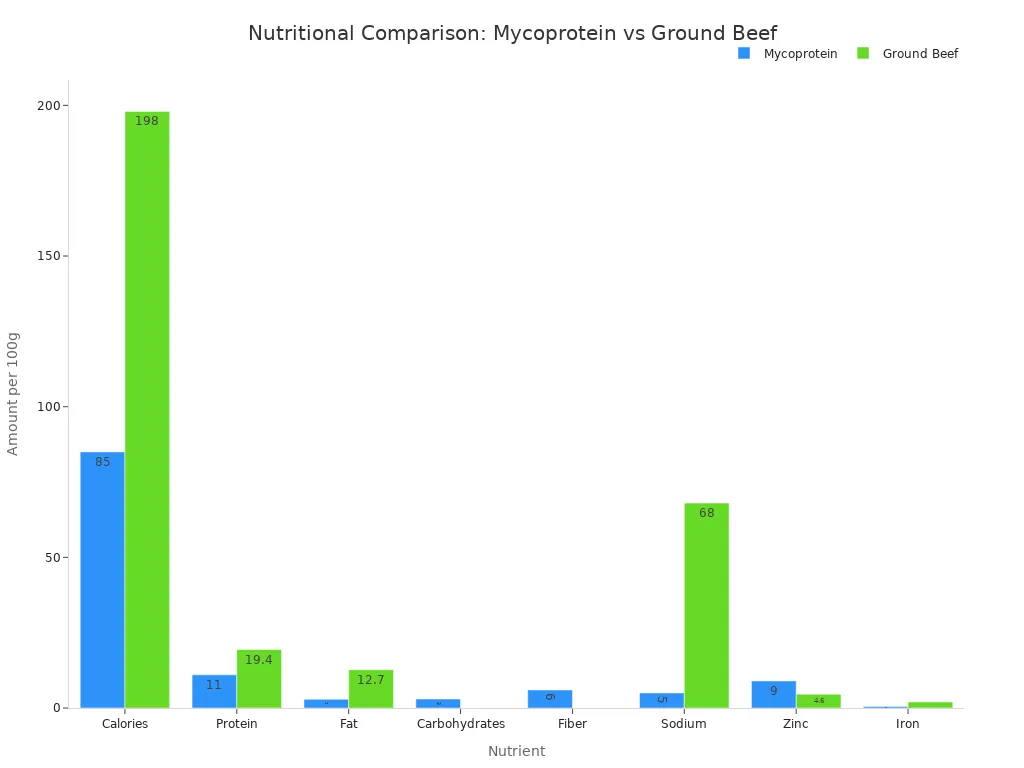
You can also try mycoprotein and legumes for meat alternatives. Mycoprotein comes from fungi and feels like meat. You find it in vegan nuggets and burgers. Mycoprotein has lots of fiber and zinc. It has fewer calories and less fat than ground beef.
Nutrient | Mycoprotein (100g) | Ground Beef (100g) |
|---|---|---|
Calories | 85 | 198 |
Protein | 11 g | 19.4 g |
Fat | 2.9 g | 12.7 g |
Fiber | 6 g | 0 g |
Zinc | 9 mg | 4.6 mg |
Legumes like lentils and chickpeas are good for homemade meat alternatives. You can use them in patties, stews, and plant-based sausages. Legumes give you fiber, iron, and a light taste. You may pick legumes or mycoprotein if you want more fiber or to feel full.
Plant proteins like pea protein and mycoprotein are getting more popular. Mycoprotein is growing fast, with a 43.5% CAGR from 2024 to 2030. You see these proteins in new fake meats and creative recipes.
Note: You can choose pea protein, mycoprotein, or legumes based on what you need, what you like, and your eco goals. Each plant protein gives special benefits for meat alternatives.
You should think about allergies and diet rules when picking plant protein for meat alternatives. If you cannot eat gluten or soy, your choices are fewer. Many people stay away from soy protein isolate or wheat gluten because they can cause allergies. You may need to pick proteins with fewer allergens to stay safe and happy.
Plant-based meat alternatives often have these allergens:
Soy
Wheat
Pea
Lupin
Manufacturers try to help by using proteins with fewer allergens. They process proteins to make them less likely to cause allergies. They also put clear labels on packages. Always read labels if you have allergies.
Cooking changes how plant protein powders taste and feel. How you use soy protein isolate, wheat gluten, or pea protein affects the food. Using high or low moisture, and adding fats or oils, helps make food feel like meat. Binders like wheat gluten and soy protein isolate help keep food moist and stick together.
You can use different plant proteins for certain foods. Here is a simple guide:
Application | Recommended Plant Protein | Description |
|---|---|---|
Burgers | Texturized Plant Proteins | Juicy veggie burgers |
Sausages | Texturized Plant Proteins | Savory plant-based sausages |
Nuggets | Texturized Plant Proteins | Crispy “chicken” nuggets |
Plant-based protein works in vegan cooking for meatballs, patties, and spring rolls.
Plant protein helps you eat healthy on a vegan diet. Soy protein isolate has special compounds that act as antioxidants and fight swelling. Wheat gluten gives you lots of protein and does not have lactose. Pea protein can help lower blood pressure and make blood sugar better.
Sustainability is important too. Pea protein uses less water and makes fewer greenhouse gases than soy or wheat. Pea-based foods are better for the planet than meat. When picking a supplier, look for non-GMO and high-quality products. Xinrui Group offers plant protein powders that meet clean-label needs and help you stay committed to quality and sustainability.
Tip: Always choose plant protein that fits your diet, cooking style, and nutrition goals. This helps you get the best results in meat alternatives.
Soy protein isolate is the main protein for meat alternatives. It is very pure and has all amino acids. The taste is mild and does not stand out. Xinrui Group’s soy protein isolate and wheat gluten are high quality. They work well and match healthy, green trends. You might pick wheat gluten or pea protein for special textures or if you have allergies. Most of the time, Xinrui Group’s plant proteins help you make foods people want. These foods taste good, are healthy, and are new.
Soy protein isolate is a refined plant protein with at least 90% protein. You find it in meat alternatives because it gives a firm texture, high nutrition, and blends easily with other ingredients.
Yes, wheat gluten is a plant-based protein. You can use it in vegan recipes to create chewy, meat-like textures. It works well in seitan, vegan sausages, and mock meats.
You should check food labels for allergens. If you avoid soy or gluten, try pea protein or mycoprotein. Always read ingredient lists and consult your doctor if you have severe allergies.
No, Xinrui Group uses non-GMO soybeans for soy protein isolate. You get a clean-label product that meets high standards for safety and quality.

 English
 简体中文
简体中文