Views: 0 Author: Site Editor Publish Time: 2026-07-06 Origin: Site


You want to pick the best plant protein for your products. This helps make your food taste better. It also adds more nutrition. People will be happier with your products. More people now want plant-based foods. Almost half of people around the world like foods and drinks with lots of protein. Meat analogs are a big part of the alternative protein market in the U.S. Dairy alternatives are good for people who need lactose-free or vegan products. Top companies like Xinrui Group give great solutions to help you meet these needs.
Plant protein makes food healthier and tastier. It helps food look and taste better to people.
Picking plant protein helps the planet. It uses less water and land. It also cuts down on pollution. It is better for animals too.
Taste and texture matter a lot to people. Good plant proteins can feel and taste like meat or dairy.
Think about allergies when picking plant proteins. Pea and rice are less likely to cause allergies.
Work with trusted suppliers like Xinrui Group. This helps make sure you get good plant proteins all the time.
You want your customers to eat food that helps them stay healthy. Plant protein is good for people who do not eat meat or dairy. It gives you protein, fiber, vitamins, minerals, and antioxidants. These things help your body stay strong. Plant protein does not have much saturated fat or cholesterol. This is good for your heart and can stop some diseases. If you eat plant protein instead of animal protein, you may lower your chance of heart disease, type 2 diabetes, and some cancers. It also helps your gut and lowers swelling in your body. Many studies say people who eat more plant protein live longer and get sick less.
Tip: Adding plant protein to your foods can help people who care about health or have special diets.
Eating plant protein can lower your risk of heart disease, diabetes, and some cancers.
Using plant protein instead of animal protein can help people live longer and have healthier hearts.
Good plant proteins help your gut and lower swelling in your body.
You want to help the planet and make good choices. Making plant protein uses less water and land than raising animals. It does not make bad air pollution like ammonia or dust. Animal farming makes about 20% of the world’s greenhouse gases. Animals also make almost 40% of methane in the U.S. If you pick plant protein, you help lower these problems. Plant foods use only a little bit of farmland but give a lot of protein to people. This helps keep nature safe and saves wild places.
Plant-based meat can save up to 99% more water than beef.
Alternative proteins need less land and do not make bad air pollution.
Eating plant protein means fewer animals die and food is made in a kinder way.
Many people pick plant protein to stop animal cruelty and help with better food choices.
You can feel good knowing plant protein helps your customers and the earth.
Taste and texture are very important for your products. People care a lot about how food tastes and feels. Many people try plant-based foods because of taste. Some plant-based foods, like chicken nuggets, taste and feel like real meat now. But some plant proteins still need to get better. Xinrui Group’s Soy Protein Isolate helps make meat alternatives taste smooth and have a juicy bite. Vital Wheat Gluten makes bread and noodles chewy and stretchy. Soy Dietary Fiber keeps baked goods soft and moist.
People pick plant-based foods mostly because of taste.
Texture is important if you want people to buy again.
Xinrui Group’s proteins help with taste and texture.
You want your food to be healthy for people. Soy Protein Isolate from Xinrui Group has a lot of protein and all the amino acids. It helps muscles grow and heal. Soy Dietary Fiber gives both types of fiber. This helps your stomach and heart. Vital Wheat Gluten adds more protein to bread and meat alternatives. If you pick plant protein with high bioavailability, people get more nutrition in each serving.
You need to think about allergies and special diets. Soy and wheat are common allergens. You must put them on labels. Other plant proteins, like pea, rice, and hemp, are not common allergens. Here is a simple chart:
Allergen Type | Examples | Regulatory Status |
|---|---|---|
Major Allergens | Milk, Eggs, Fish, Shellfish, Tree Nuts, Peanuts, Wheat, Soy, Sesame | Must be declared on labels |
Plant Proteins | Potato, Pea, Rice, Hemp | Not on the top allergen list |
Xinrui Group’s non-GMO soy and wheat proteins are labeled clearly. This helps you follow rules and tell your customers.
You want ingredients that work in many foods. Xinrui Group’s Soy Protein Isolate mixes well and makes food smooth. It also adds protein to meat, dairy alternatives, and drinks. Vital Wheat Gluten makes dough strong and holds things together in bread and meat. Soy Dietary Fiber adds bulk and makes snacks and drinks feel better in your mouth. These proteins help you make many foods with good texture and nutrition.
Use Soy Protein Isolate for smooth drinks and firm meat alternatives.
Add Vital Wheat Gluten for chewy bread and strong noodles.
Use Soy Dietary Fiber for better snacks and baked goods.
Cost is important for your product. Wheat and soy proteins are a good deal and easy to find. For example, wheat protein isolate costs about $4.81 per kilo. How you process the protein can change the price. Xinrui Group makes a lot of plant proteins, so you get good quality for a fair price. Getting your protein from a steady source keeps costs low and quality high.
Tip: Always check where your plant protein comes from, how much it costs, and if you can get it when you need it. This helps you avoid running out and keeps your food the same every time.
Xinrui Group’s Soy Protein Isolate gives you lots of plant protein. It has at least 90% protein and comes from non-GMO soybeans. This protein has all the amino acids your body needs. It helps your muscles grow and heal after exercise. You can use it in meat alternatives, dairy-free drinks, and nutrition bars. It makes foods smooth and mixes well with other ingredients. These things help your food taste good and make people happy. Xinrui Group uses special methods to keep the protein safe and the label clean.
Vital Wheat Gluten from Xinrui Group makes your food stretchy and strong. You can use it to make bread, noodles, and meat analogues better. It helps dough stretch and stick together. Your baked goods and plant-based meats will be more even and hold their shape. This gluten is great for high-protein foods because it works in many recipes. Xinrui Group knows how to make sure every batch works well.
Soy Dietary Fiber from Xinrui Group helps your stomach and adds nutrition. You can put it in baked goods, snacks, and drinks. It has both soluble and insoluble fibers to help your digestion and lower cholesterol. It is easy to mix into many foods. This fiber also makes your food feel better in your mouth, so people like it more.
You have many plant protein choices. Pea protein is liked because it does not cause allergies, is non-GMO, and is easy to digest. Oat, rice, and chickpea proteins are also getting more popular for their special benefits. Here is a simple chart:
Protein Source | Allergenicity | Applications in Food Products | Functional Properties |
|---|---|---|---|
Pea Protein | Low | Dairy alternatives, meat substitutes | High solubility, good emulsifying |
Soy Protein | High | Nutrition bars, sports supplements | Similar to pea protein |
Rice Protein | Low | Sensitive-digestion formulas, baby food | Limited functionality |
Wheat Protein | High | Various baked goods | Strong binding, less preferred for allergen-free |
You can mix different plant proteins to make food healthier and taste better. Many companies use both pea and rice proteins to get all the amino acids. More people want foods that do not cause allergies and are good for the planet. Plant protein now gives more than half of the world’s protein.
Note: Xinrui Group knows a lot about soy and wheat proteins. This helps you make new and high-quality foods.
You want your meat alternatives to taste good and feel like real meat. People want these foods to look, taste, and chew like regular meat. You need to think about taste, texture, price, health, and what people know about the product. Here is a table that shows what matters most when picking proteins for meat alternatives:
Criteria | Description |
|---|---|
Taste | Very important for people to like the food; good taste makes people buy it again. |
Texture | Helps make the food feel like meat; this makes people happy with the product. |
Price | Needs to be close to regular meat; people want prices to be the same or lower. |
Health Benefits | Protein and fiber are good for you; these can make people want to buy the food. |
Consumer Awareness | Teaching people about plant protein helps get new customers and bring back old ones. |
You can use Soy Protein Isolate from Xinrui Group to make meat alternatives juicy and smooth. This protein makes fibers that act like real meat. Vital Wheat Gluten helps your food stay chewy and firm. It makes plant-based meats stretchy and thick. Soy Dietary Fiber adds bulk and keeps your food moist.
Soy Protein Isolate is used a lot in plant-based meats. It makes fibers and gives lots of protein.
Vital Wheat Gluten helps make strong fibers and better quality, especially with extrusion.
Soy Dietary Fiber keeps food moist and adds fiber for better health.
Tip: Mix Soy Protein Isolate and Vital Wheat Gluten to get the best texture in burgers, sausages, and meatballs.
You want your dairy alternatives to be creamy, smooth, and healthy. Plant proteins help make your products thicker and give them a spoonable feel. Soy Protein Isolate from Xinrui Group gives lots of protein and mixes well in dairy-free drinks, yogurts, and cheese alternatives. Soy Dietary Fiber adds fiber and helps your stomach. Vital Wheat Gluten is not used much in dairy alternatives, but it can help some cheese products hold their shape.
Plant proteins add more protein and make dairy alternatives healthier.
They help make foods smooth, creamy, and easy to eat with a spoon.
Soy Protein Isolate mixes well and whips up nicely, so it works well in dairy-free foods.
People who sometimes eat meat and sometimes eat plants like plant-based dairy alternatives. You can use Soy Protein Isolate to make foods that are healthy and good for the planet. Soy Dietary Fiber helps add fiber and makes foods feel better in your mouth.
Note: Pea protein has a mild taste and mixes well, but Soy Protein Isolate gives all the amino acids and works better.
You want your drinks to taste good and feel smooth. Sometimes plant proteins can change the taste and texture. You can use Soy Protein Isolate from Xinrui Group to add protein to shakes, smoothies, and nutrition drinks. It mixes in well and does not change the taste much. Soy Dietary Fiber can add fiber and make drinks feel better. You might need to use things like hydrocolloid gums or modified starches to make the texture better.
Here is a table that shows problems and fixes for using plant proteins in drinks:
Challenge | Solution |
|---|---|
Taste and texture concerns | Use flavors to cover up bad tastes and make drinks feel better. |
Solubility of plant proteins | Add stabilizers like hydrocolloid gums or modified starches to make drinks smoother. |
Consumer demand for great taste | Work with experts to make drinks that people like. |
Soy Protein Isolate mixes well and is easy to use in drinks.
Soy Dietary Fiber adds nutrition and helps your stomach.
You can use flavors and stabilizers to make drinks taste and feel better.
Tip: Work with Xinrui Group’s experts to make your drinks taste great and meet what people want.
You can pick Soy Protein Isolate, Soy Dietary Fiber, and Vital Wheat Gluten from Xinrui Group for different foods. Each protein helps with meat alternatives, dairy alternatives, and drinks. You can mix these proteins to make foods that taste good, feel good, and are healthy.
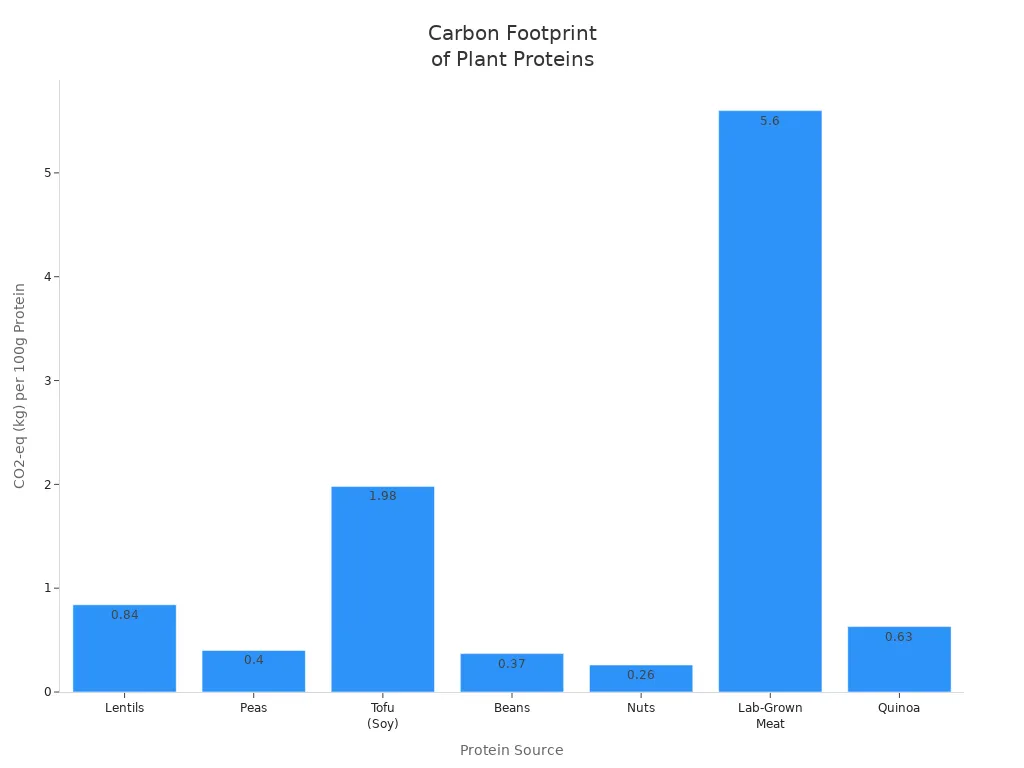
You want to choose ingredients that help the planet. Plant proteins use less water and land than animal proteins. They also make less pollution. When you pick plant proteins, you lower your product’s carbon footprint. You can see how different plant proteins compare in the table below:
Protein Source | Water Usage Impact | |
|---|---|---|
Lentils | 0.84 kg | Low |
Peas | 0.4 kg | Low |
Tofu (Soy) | 1.98 kg | Moderate |
Beans | 0.37 kg | Low |
Nuts | 0.26 kg | Variable |
Lab-Grown Meat | 5.6 kg | N/A |
Quinoa | 0.63 kg | Low |
You can see that peas, beans, and lentils have a very low carbon footprint. Tofu, made from soy, also uses less water and land than meat. This helps you make products that are better for the environment.
Choosing plant protein helps you lower greenhouse gases and save water. You support a cleaner planet with every product you make.
You need to know what your customers want. People now care more about health, the planet, and clean labels. Many want foods with simple, natural ingredients. Here are some key trends:
Flexitarian diets are growing. About 25% of people in the US now eat less meat and more plants.
Over half of shoppers worry about ultra-processed foods. They look for plant proteins that are natural and not heavily processed.
You see new plant proteins like walnut, hazelnut, and sunflower seed drinks in stores.
People want better taste, texture, and price in meat alternatives.
Almost half of all shoppers look for protein in their foods, especially in dairy alternatives.
Younger people, like Millennials and Gen Z, drive the demand for plant-based protein. They care about fitness, weight, and the environment. Most consumers want products that are healthy, eco-friendly, and easy to understand.
You can meet these needs by using plant proteins with clean labels and sustainable sourcing.
The food and beverage industry leads the way because more people want plant-based meat and dairy alternatives.
As more people choose vegan or flexitarian diets, you see a bigger market for plant proteins.
Tip: Listen to your customers. Give them plant proteins that fit their values and needs. This helps your brand grow and succeed.
You need to match the right plant protein to your product goals. Start by thinking about what you want your product to do. If you want a meat alternative with a juicy bite, choose a protein like Soy Protein Isolate from Xinrui Group. For chewy bread or noodles, use Vital Wheat Gluten. If you want to add fiber and improve digestive health, pick Soy Dietary Fiber. Always check the nutrition, taste, and texture you want in your final product. You can also blend different proteins to get the best results.
Tip: Write down your product goals before you pick a protein. This helps you stay focused and make better choices.
You want your product to work well and stay affordable. Consider these points when you choose a plant protein:
Look at how the protein tastes and feels in your food.
Check if the protein helps your product hold together or stay moist.
Think about the nutrition and health benefits the protein adds.
Review the impact on the environment.
Make sure the cost fits your budget.
Choose a supplier who can deliver on time and in large amounts.
Pick proteins that are clean, safe, and work well in many foods.
Xinrui Group offers high-quality, non-GMO proteins that balance function and price. Their team can help you find the right protein for your needs.
You need a steady supply of quality plant protein. Good supply chain practices help you avoid problems. Here are some best practices:
Best Practice | Description |
|---|---|
Standardization and Harmonization | Use the same quality checks for every batch to keep products safe and consistent. |
Defined Responsibilities | Make sure everyone knows their job in quality control. |
Risk-Based Quality Review | Check for risks often to catch problems early and keep quality high. |
Xinrui Group supports you with reliable supply, clear labels, and strong quality control. Their experts guide you through every step, from choosing the right protein to using it in your products.
Note: You can contact Xinrui Group for technical support, samples, and advice on plant protein selection. Their team helps you succeed in the fast-changing food market.
When picking plant protein for meat, dairy alternatives, or drinks, think about taste and texture. Nutrition is important too. You should also care about sustainability and supply reliability. High-quality, non-GMO choices from Xinrui Group help you make safe and sustainable foods. These options meet what customers want. Always look at your product goals and what your customers like. If you need help, ask experts for support and advice. They can help with recipes and offer many plant-based proteins. For special solutions, talk to trusted suppliers. They know about labeling, marketing, and new ideas in plant protein.
You get a high protein content and excellent texture. This soy protein helps your products taste and feel like real meat. It also mixes well with other ingredients and supports clean labeling.
Yes, you can. Soy Dietary Fiber dissolves easily and adds fiber to drinks. It improves mouthfeel and supports digestive health. You can use it in smoothies, shakes, and nutrition beverages.
No, you should not use Vital Wheat Gluten in gluten-free foods. It contains gluten and works best in bread, noodles, and plant-based meats that require elasticity and structure.
Start by listing your product goals. Think about taste, texture, nutrition, and cost. You can contact Xinrui Group’s experts for advice and samples. They help you match the right protein to your needs.
Yes, all Xinrui Group soy and wheat proteins come from non-GMO sources. You can trust the quality and safety of these ingredients for your food and beverage products.

 English
 简体中文
简体中文