Views: 0 Author: Site Editor Publish Time: 2026-09-06 Origin: Site


Have you ever wondered if you can get enough protein from plants alone? You're not the only one curious about plant-based protein. Recent studies show that about 3% of people worldwide—over 240 million—now eat mostly plant-based diets. That number keeps going up every year.
This article answers your biggest questions about plant protein. You'll learn what it is, how it stacks up against animal protein, and why so many people are switching. The info here is based on solid evidence and is easy to use. You'll finish feeling confident about making smart food choices that fit your life. Whether you're trying vegan proteins for health or for the planet, you'll get clear answers here.
Plant protein comes from beans, grains, nuts, seeds, and soy. It can be complete or incomplete. Soy is a complete protein.
Plant protein is good for your heart. It has less saturated fat and no cholesterol. It also has fiber and other nutrients.
Choosing plant protein helps the planet. It uses less water and land. It also creates fewer greenhouse gases.
You can get enough protein from plants. Eat a variety of foods like beans, lentils, and tofu. This gives you all the amino acids you need.
Start with one small change. Swap meat for lentils in a recipe. Or add plant protein powder to a smoothie. Small steps make a big difference.
Plant protein comes from plants you can eat, like beans, grains, nuts, seeds, and soy. You get this protein when you eat whole plant foods or foods made from them. For people who follow vegetarian or vegan diets, these foods are their main protein sources.
Any protein that comes from a plant, not an animal, counts as plant protein. This group includes beans, lentils, chickpeas, peas, quinoa, tofu, tempeh, nuts, seeds, and soy products. Companies also make concentrated forms of these proteins using special methods.
The way protein is taken out affects its quality. Isoelectric precipitation gives 82-88% protein for legumes like chickpeas and peas, and 82-86% for soy. Air classification, a dry method, gives about 64% protein for faba beans. Ultrafiltration gives a little more protein than isoelectric precipitation. Salt extraction gives 73-82% protein.
Soy protein is special among vegan proteins. The Protein Digestibility Corrected Amino Acid Score (PDCAAS) measures how good a protein is. The table below shows how different proteins compare:
Protein Source | PDCAAS (untruncated range) | Notes |
|---|---|---|
0.95 – 1.02 | High quality, similar to animal proteins | |
Soy Protein Concentrate | 1.02 – 1.05 | Exceeds 1.0, truncated to 1.0 |
Eggs, Dairy, Meat | 1.0 (truncated) | Truncated at 1.0 per FAO guidelines |
Source: Hughes et al. (2011) and Rutherfurd et al.
Soy protein isolate scores between 0.95 and 1.02, and soy protein concentrate scores 1.02-1.05. These scores are the same as eggs, dairy, and meat proteins. Food makers like these ingredients because they work well.
Soy protein has a PDCAAS of 1.00, which means it is a high-quality protein that meets the needs of both kids and adults. Eggs, dairy, and meat proteins also have a PDCAAS score of 1.0. But soy protein is the only common plant-based protein that is high quality and gets this score.
Soy is one of the few complete proteins from plants. It has all nine essential amino acids your body needs. Most other plant proteins are missing one or more essential amino acids, but eating a mix of different foods gives you all of them.
Soy protein isolate products sold in stores have at least 90% protein when dry. This high amount makes them useful in many foods. Xinrui Group's Soy Protein Isolate has over 90% protein and comes from non-GMO soybeans. This product is a flexible plant-based protein you can add to many foods.
You have many plant-based protein sources to choose from. Some foods give more protein per serving than others. Here are the top seven plant-based foods ranked by protein content per cooked cup:
Rank | Food Source | Protein per Cooked Cup (g) |
|---|---|---|
1 | Firm Tofu | 43.5 |
2 | Lentils | 17.9 |
3 | Green Peas | 8.6 |
4 | Quinoa | 8.1 |
5 | Spinach | 5.3 |
6 | Sweet Corn | 4.7 |
7 | Mushrooms | 3.9 |
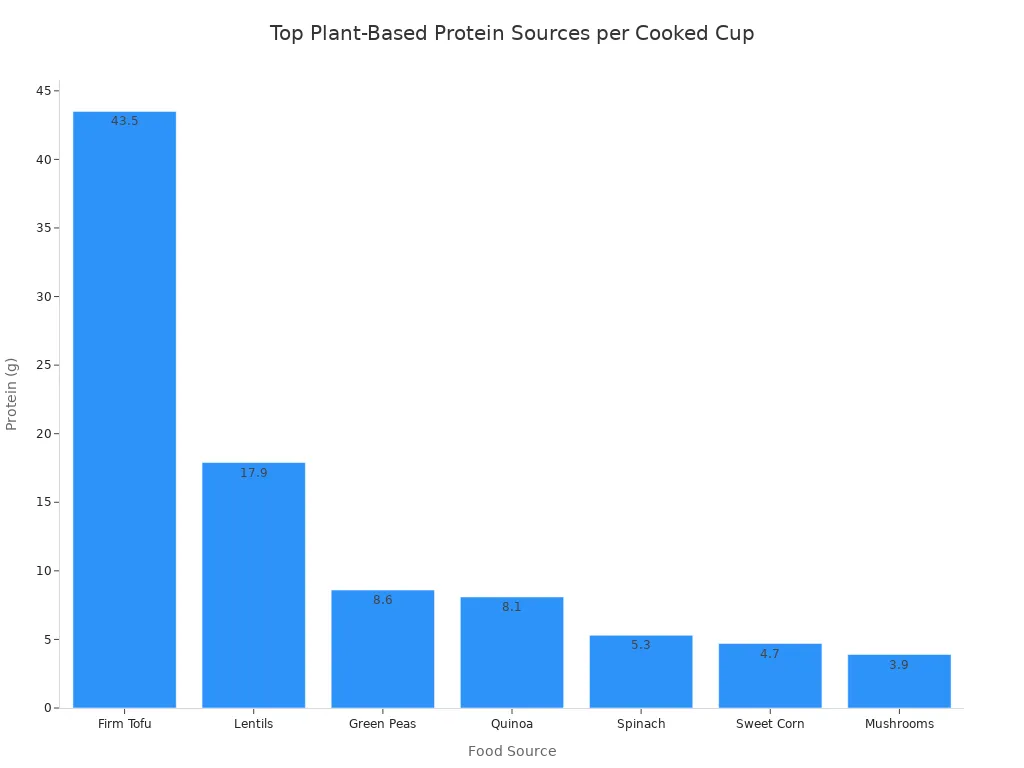
Firm tofu is number one with 43.5 grams per cooked cup. That is more than most animal proteins. Lentils give 17.9 grams per cup, making them one of the best plant proteins for soups, stews, and salads. These foods are great protein sources for any meal plan.
Other good plant protein sources are beans and legumes. White beans have 17.4 grams per cooked cup, split peas have 16.3 grams, pinto beans have 15.4 grams, black beans have 15.2 grams, navy beans have 15 grams, lima beans have 14.7 grams, and chickpeas have 14.5 grams. You can add these to soups, stews, or grain bowls for more protein.
These vegan proteins work well in many dishes. You can use lentils instead of ground meat in tacos or spaghetti sauce. You can add chickpeas to salads or blend them into hummus. You can put quinoa in grain bowls or eat it as breakfast porridge. Many vegan proteins come from soybeans, lentils, and peas. You can find vegan proteins in almost any grocery store today.
For a big protein boost, you can use soy protein isolate products. These have over 90% protein and mix easily into smoothies, baked goods, and savory dishes. They give you a simple way to add more protein.
Your body needs nine essential amino acids from food. Animal proteins have all nine in the right amounts, so they are called complete proteins. Most plant proteins do not have enough of one or more essential amino acids. But you can get everything you need by eating different plant foods during the day. These protein sources work together to meet all your amino acid needs. This variety makes vegan proteins useful for everyday meals.
Soy stands out among vegan proteins. It has all nine essential amino acids, so it is one of the few complete proteins from plants. Xinrui Group's Soy Protein Isolate gives you this complete amino acid profile with over 90% protein content. This makes it a great direct swap for animal protein.
Protein Type | Completeness | Key Amino Acid Profile Notes |
|---|---|---|
Soy | Complete | Contains all 9 essential amino acids |
Pea | Incomplete | Lacks full essential amino acid set |
Nearly complete | Almost equal to animal proteins | |
Animal proteins | Complete | Benchmark profile |
Manufacturers mix different plant proteins to match animal profiles. Pea protein lacks sulfur amino acids but has plenty of lysine. Rice protein has the opposite pattern. Combining them balances the profile. Plant blends have more arginine, while animal proteins have slightly higher valine. These differences matter mainly to elite athletes.
Plant Proteins | Animal Proteins | |
|---|---|---|
Saturated Fat | Naturally low | Higher (source-dependent) |
Cholesterol | Free | Present |
Fiber | Rich in fiber | Not a source |
Plant-based protein offers clear health benefits. A study in JAMA Internal Medicine with over 70,000 participants found that swapping red and processed meat for plant protein lowers cardiovascular disease risk. The benefits come from nuts and legumes improving blood lipids, blood pressure, and inflammatory markers. Plant proteins also bring fiber, vitamins, and minerals that animal foods lack.
Soy protein has no cholesterol and stays low in saturated fat. It provides iron, calcium, zinc, and B vitamins along with fiber. These qualities make it a heart-healthy choice among protein sources.
Some vegan proteins cause digestive discomfort. Lectins and protease inhibitors can block protein digestion, causing bloating and gas. Proper preparation fixes this problem. Soaking beans, legumes, seeds, and grains overnight neutralizes phytates and lectins. Fermentation works even better. Studies show fermented lentils reduce lectins by over 97%. Fermented vegetables also improve iron absorption. These methods make plant-based protein easier to digest and nutrients more available to your body. This animal-free protein option becomes more comfortable with simple kitchen habits.
The food you choose affects the climate. Plant-based protein has a much smaller carbon footprint than animal protein. Producing 1 kg of soy protein creates 19.8 kg of CO2-equivalent emissions. The same amount of beef creates 498.9 kg of CO2-equivalent. That means beef creates about 25 times more greenhouse gas. These differences matter in your daily life. A vegan diet creates 9.9 kg of CO2 each week. An omnivorous diet creates 48.9 kg each week. So vegan proteins cut your weekly emissions by about 80%. The UN says switching to a plant-based diet can reduce your yearly carbon footprint by up to 2.1 tons. Every vegan protein choice you make adds up to that reduction. Choosing non-GMO, sustainably sourced products, like those from Xinrui Group, adds even more benefit. These products support farming that protects soil health and reduces harm to the environment.
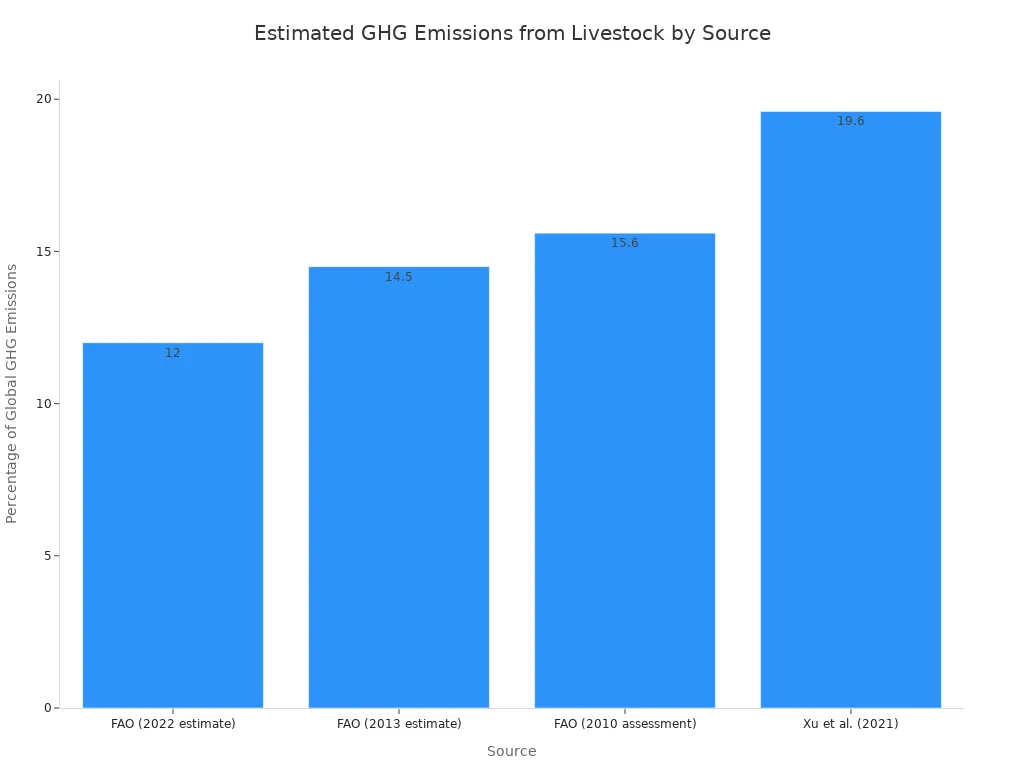
The resource savings from plant-based protein go beyond carbon. Livestock farming causes about 12% to 17% of global greenhouse gas emissions, as the chart below shows. This large share comes from the huge amounts of land, water, and feed needed to raise animals.
Water usage tells a similar story. Producing 1 gram of protein from beef uses 20 to 80 gallons of water. For tofu, that number drops to just 6 gallons. Oats need only 3.8 gallons per gram of protein. Chicken protein uses 1.5 times more water than pulses like lentils and chickpeas. Beef uses 6 times more water than pulses. These vegan proteins use far fewer natural resources. This efficiency makes them a smart choice for a growing world population. This shift in consumer trends toward plant-based eating shows growing awareness of these environmental benefits. More people realize that choosing plant-based supports both personal health and planetary health. You can make a real difference with every meal.
Adding more plant protein to your meals doesn't mean you have to change everything you eat. You can start with small, easy swaps that help you feel more confident over time. The trick is picking options that match what you like and fit into your daily life. Here are simple ways to eat more plant protein without losing flavor.
You can swap meat for plant-based options in your favorite meals. For burgers, use seitan patties or lentil-mushroom burgers instead of beef. These give you lots of protein and a nice texture. For tacos, use lentil-mushroom-walnut crumbles or crumbled tempeh with taco seasoning. Cook them in a skillet until they're brown for a tasty, high-protein filling. For pasta, pick legume-based noodles and mix them with green pea pesto. Blend green peas, garlic, and herbs, then add hemp seeds on top for more protein.
The protein adds up fast. One cup of cooked lentils has about 18 grams of protein. That's about the same as three large eggs. You can put lentils in soups, stews, or chili for filling meals with fiber. You can also add beans to salads or grain bowls for more texture and nutrition.
Planning ahead makes these swaps easier. Marinate tofu on prep day so it's ready to cook later. Make extra food and freeze portions for future meals. Label and date everything so you know what you have. Use separate containers for lunches to control portions and cut down on waste. Keep fresh items like greens and herbs where you can see them in the fridge so they don't go bad. Blanch vegetables before freezing to keep their texture and nutrients.
Follow the Healthy Eating Plate guide for balanced meals. Fill half your plate with vegetables and fruits. Use whole grains for one quarter. Pick healthy protein sources for the last quarter. This way you get good nutrition without giving up taste. Choose whole or lightly processed foods to avoid extra sugar, salt, and saturated fat. Use beans, peas, lentils, seeds, and nuts as protein sources that have less saturated fat than animal proteins.
Protein powders are a handy way to get more protein, especially when you're busy. Plant-based protein shakes give you 15 to 25 grams of protein per serving. They help your muscles repair and recover when you also do resistance training. They also have 2 to 6 grams of fiber per serving, which helps digestion and keeps you full longer. This fullness helps with weight control by cutting hunger between meals.
Plant-based protein powders come from soy, pea, and rice. Blended sources like pea plus rice give you all the essential amino acids. This works as well as whey for muscle support when you get enough total protein. Soy protein isolate is special because it has all nine essential amino acids. Xinrui Group's Soy Protein Isolate gives you over 90% protein from non-GMO soybeans. You can mix it into smoothies, baked goods, or savory dishes.
Whey protein has more leucine and absorbs faster, so it works better for quick muscle protein building. But soy protein helps muscle growth well when you get enough total protein and do resistance training. A 12-week study with matched leucine doses found no big difference in muscle and strength gains between soy and whey. A review of 9 studies also found no big difference in lean body mass gains between animal and soy protein.
Some plant-based protein shakes have gums, fillers, or fake sweeteners that can upset your stomach. Pick products with few ingredients. Also, single-source proteins like rice or pea alone may lack some essential amino acids. Blended formulas are better. Some powders have added sugars up to 23 grams per scoop, which can cause weight gain. Check labels carefully. A 2025 Clean Label Project report found that many protein powders have heavy metals, BPA, and pesticides. Choose trusted brands that test for contaminants.
Start with one small change this week. Swap one meat-based meal for a plant-based option. Try lentil tacos or a plant-based protein shake after your workout. These vegan proteins fit easily into your routine. Small changes make a big difference for your health and the planet.
Eating different kinds of plant foods gives you all the protein you need. You get complete nutrition by mixing different sources. Soy protein isolate has all nine essential amino acids. So it works as a good replacement for animal protein.
Choosing plant-based protein is good for your health. You eat less bad fat and cholesterol. You also help the planet a lot. Vegan proteins need less land and water than raising animals.
Try a small change this week. Use lentils instead of meat in your favorite recipe. Or add a scoop of plant-based protein powder to your morning smoothie. These vegan proteins are easy to add to your meals.
Little changes can do a lot. You get healthier. The planet gets healthier too. Try one change today.
Your daily protein needs depend on your weight and activity level. Most adults need about 0.8 grams per kilogram of body weight. Athletes need more. You can meet these needs easily with a varied diet of beans, lentils, tofu, and whole grains.
Yes, you can build muscle with plant-based protein. Studies show soy protein supports muscle growth as effectively as whey when you consume enough total protein and train consistently. Combine different vegan proteins like soy and pea to get all essential amino acids your muscles need.
No, you don't need to combine proteins at every meal. Your body pools amino acids throughout the day. Eating a variety of protein sources like rice and beans across different meals gives you everything you need. Soy protein isolate contains all nine essential amino acids, making it a complete protein source on its own.
Plant-based protein shakes work well for recovery and muscle building. A 12-week study found no significant difference in muscle gains between soy and whey when leucine doses matched. Choose blended formulas or soy-based options for complete amino acid profiles. Check labels for added sugars and artificial ingredients.
Start with one simple swap each week. Replace ground meat with lentils in tacos or spaghetti sauce. Add chickpeas to salads. Try a plant-based protein powder in your morning smoothie. These small changes build confidence and help you discover which vegan proteins you enjoy most.

 English
 简体中文
简体中文